


















Getting your Nigerian passport photo right the first time saves you from the frustration of a rejected application. Nigerian Immigration Service (NIS) rules are strict about dimensions, background, and print quality — and they check every detail. This guide walks you through the official requirements and shows how PicToPassport helps you create a compliant photo for free, without leaving your browser.
Why Nigeria passport photo rules trip people up
Photo issues are one of the most common reasons Nigerian passport applications get sent back. Wrong dimensions, printed on regular paper, or a background that isn't pure white — these small mistakes cost you time and extra visits to the NIS office. Sorting out the details before you submit means fewer delays and a smoother process.
Official Photo Size
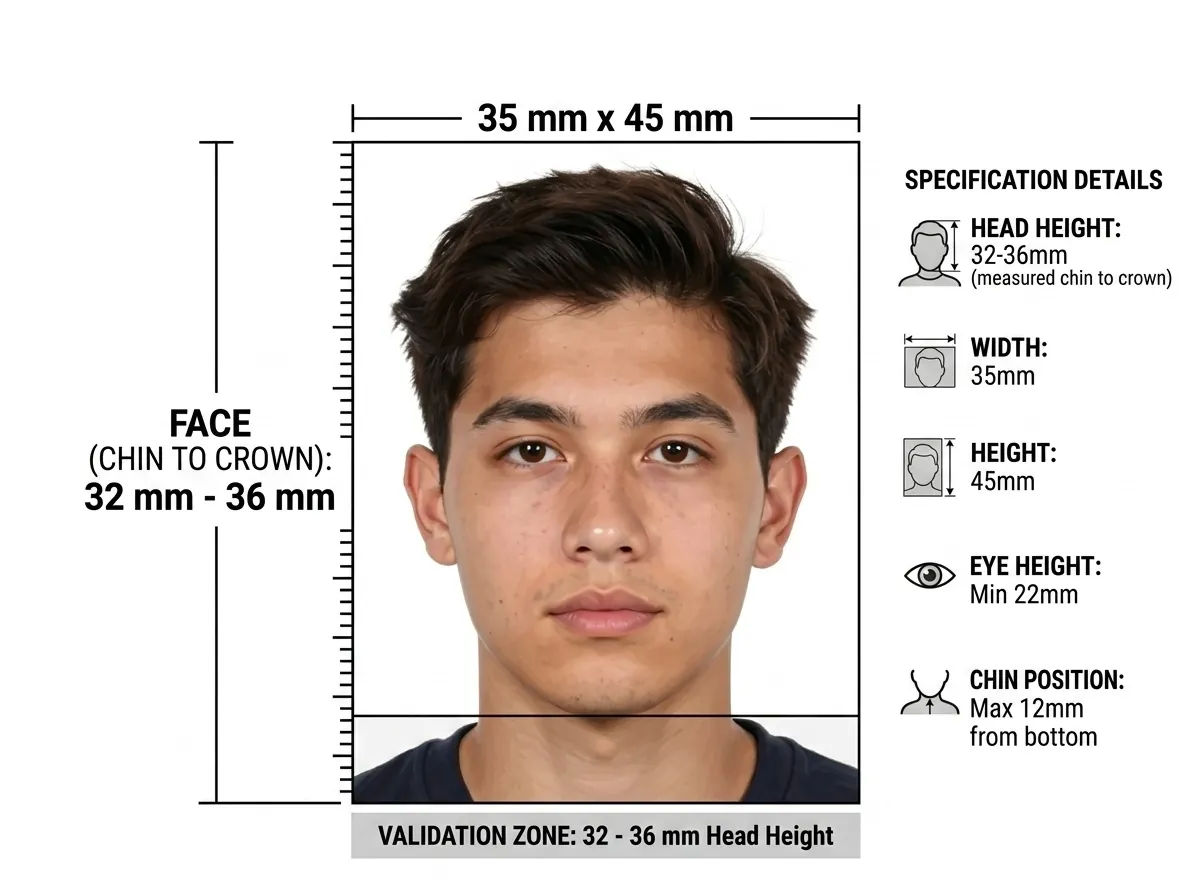
The standard Nigerian passport photo size is 35 mm wide × 45 mm tall. This applies to passport, visa, and NIN ID card applications. The face must occupy 70–80% of the photo, with a close-up showing just the head and shoulders. Your photo must be printed at 1200 dpi or higher on photo-quality matt paper — regular printer paper is not accepted. Always verify with the official Nigeria Immigration Service before submitting.
A phone photo almost never comes out at the right dimensions, so scale it to the sheet: Photo Resizer
Background and Lighting
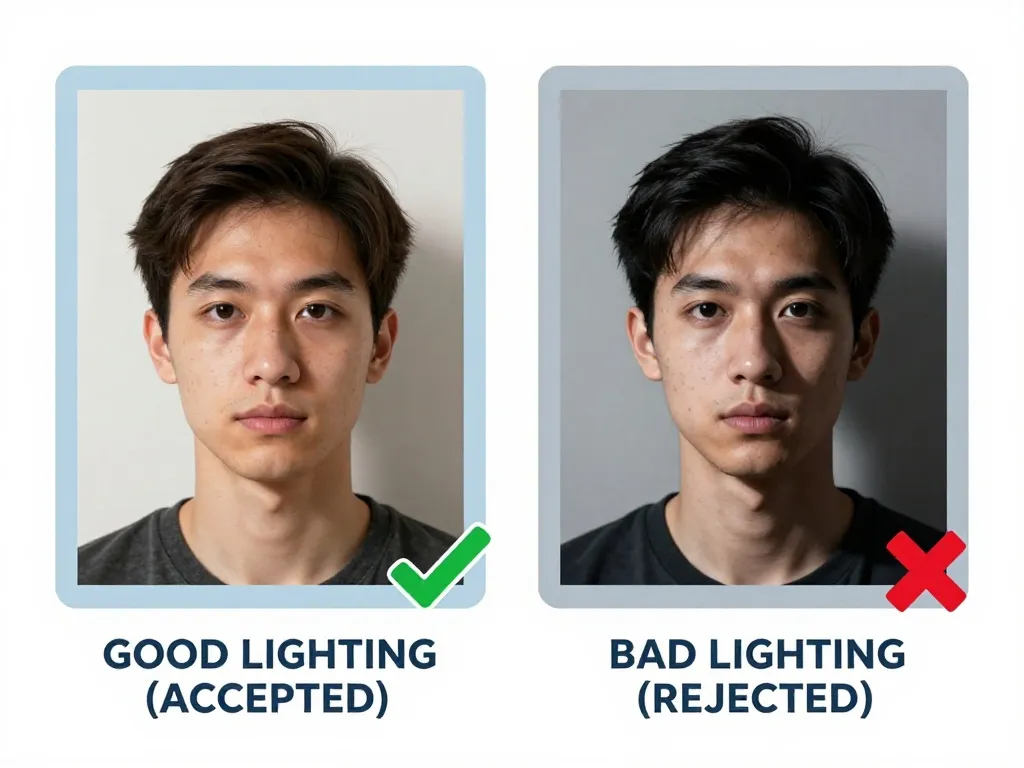
A plain white background is mandatory for all Nigerian passport and ID photos. No patterns, textures, shadows, or objects behind you. Lighting should be even across the face with no harsh shadows on the background or behind the ears. Natural daylight from a window works well — just avoid direct sunlight that creates uneven brightness.
If no wall in the room is plain enough, swap the backdrop instead: Background Eraser
Expression and Pose
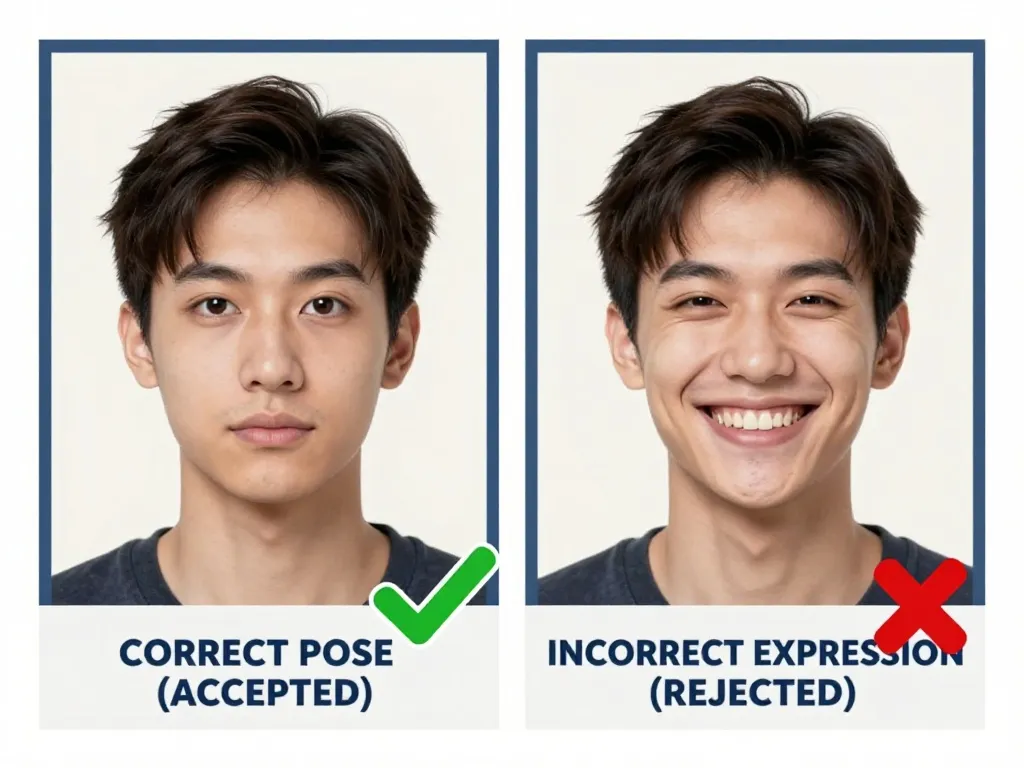
Nigerian Immigration Service expects a neutral expression with the mouth closed and both eyes open, head straight and square to the lens — no tilt, no profile, no angled shot. Glasses are permitted only if the lenses carry no shadow and no reflection and the frames never cross the eyes. Hats and head coverings of any kind are refused, so hair stays off the face and the frame holds only you.
Glasses and Accessories
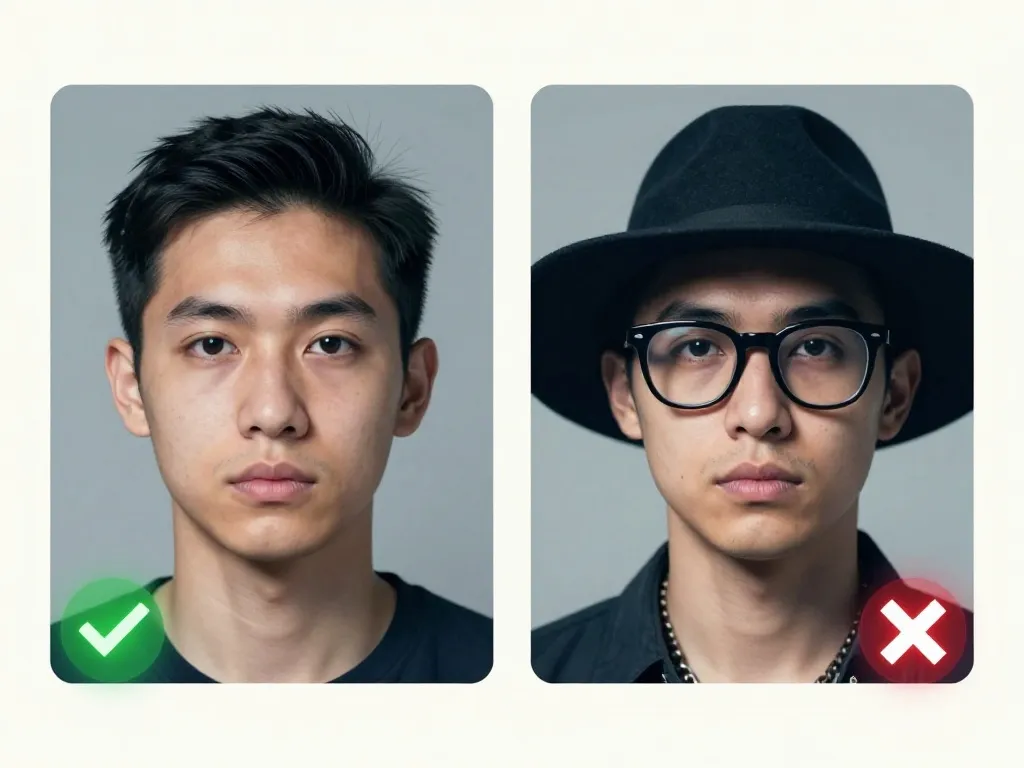
You can wear prescription glasses, but there must be no shadows or reflections on the lenses. The frames must not obscure your eyes in any way. No head coverings or hats are allowed — your face must be fully uncovered from chin to forehead. Hearing aids are permitted. Keep accessories minimal to avoid any issues.
Face Visibility
Nigeria’s measure is proportional: the face must fill 70–80% of the 35 mm × 45 mm print, running chin to crown with both sides of the face shown equally. An officer checks the crown and the chin first — crop either and the sheet fails before anything else is read. Print at 1200 dpi on photo-quality matt paper; regular office paper and a face sitting short of the 70% floor are the two fastest routes to rejection.
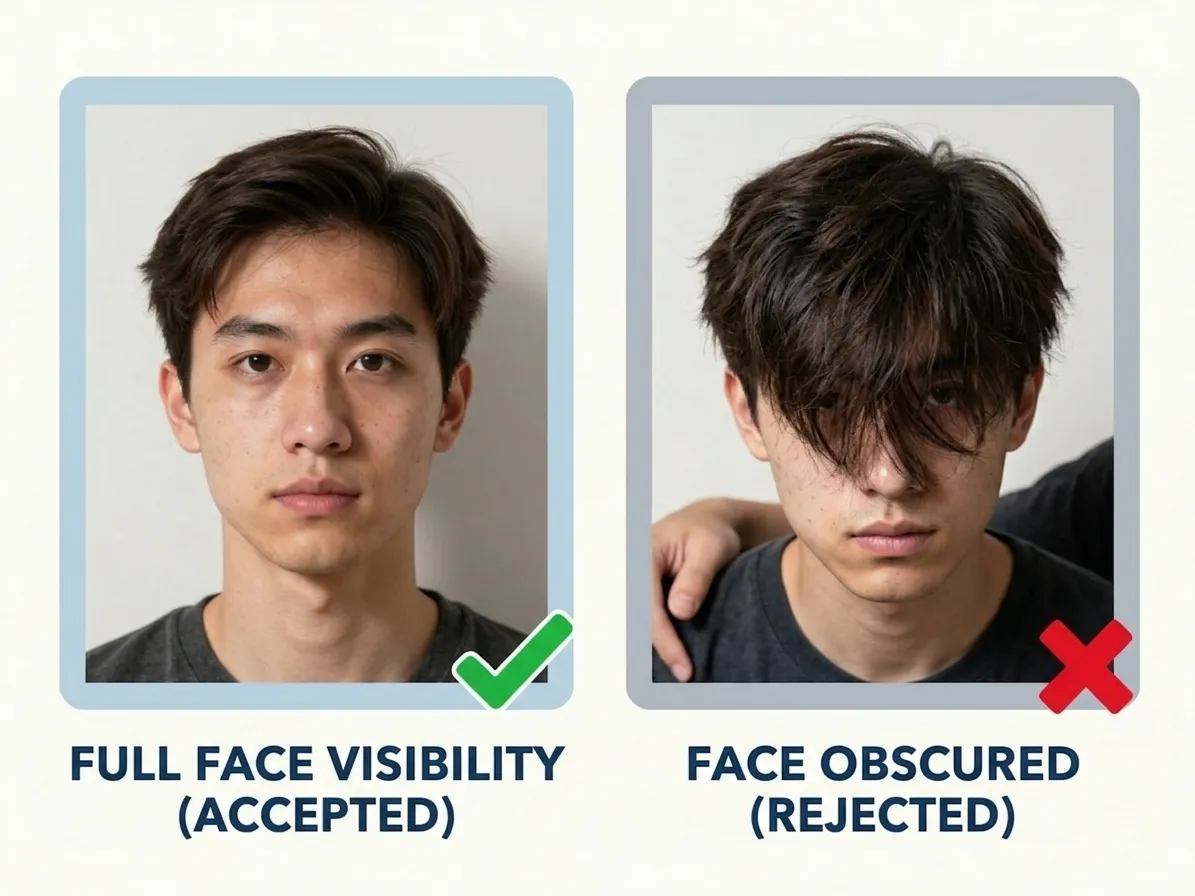
Photo Recency
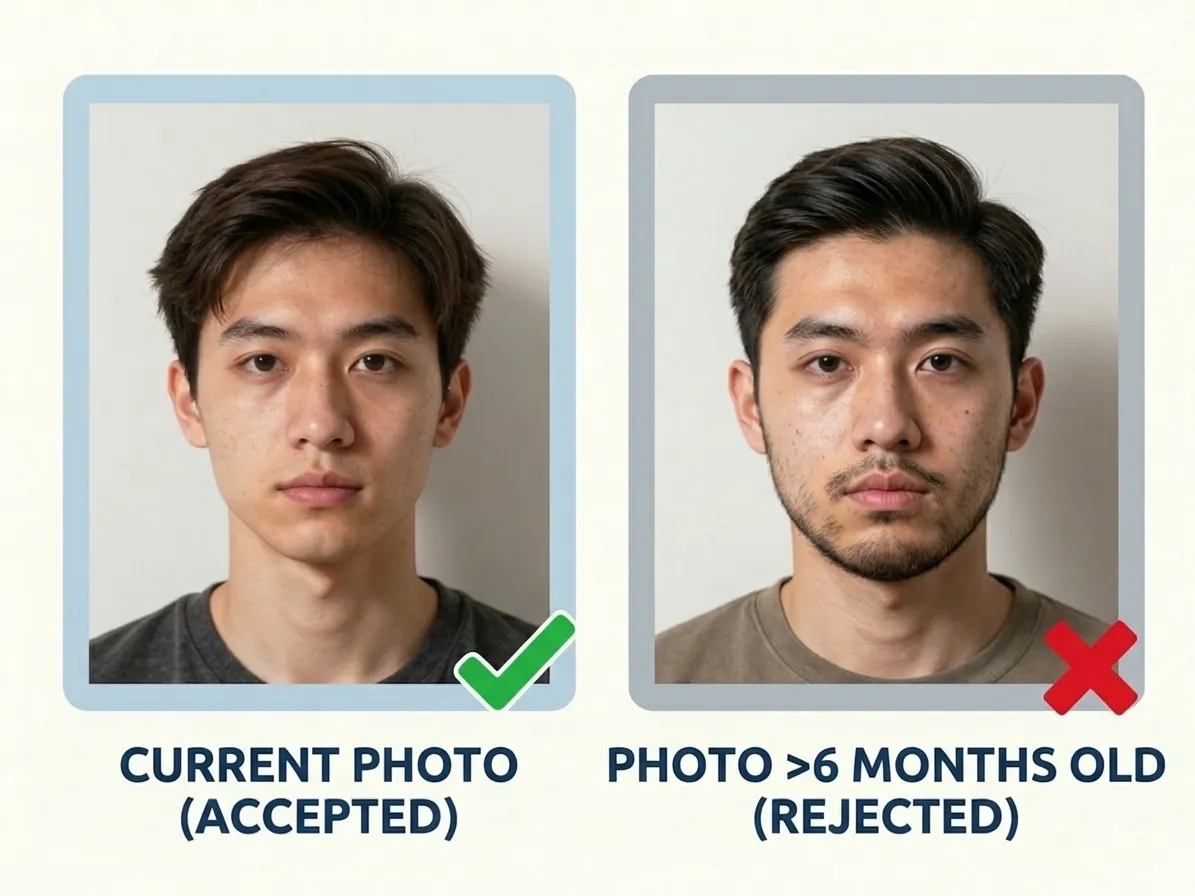
Two weeks. That is the entire window Nigerian Immigration Service allows between the shutter and the day you submit, and it is one of the strictest recency rules in use anywhere. A print from three weeks ago can measure 35 mm × 45 mm perfectly and still be turned away, because NIS wants the image to match the face at the enrolment desk. Book the photo for the same week you book your appointment, not the month before.
How Many Copies You Get
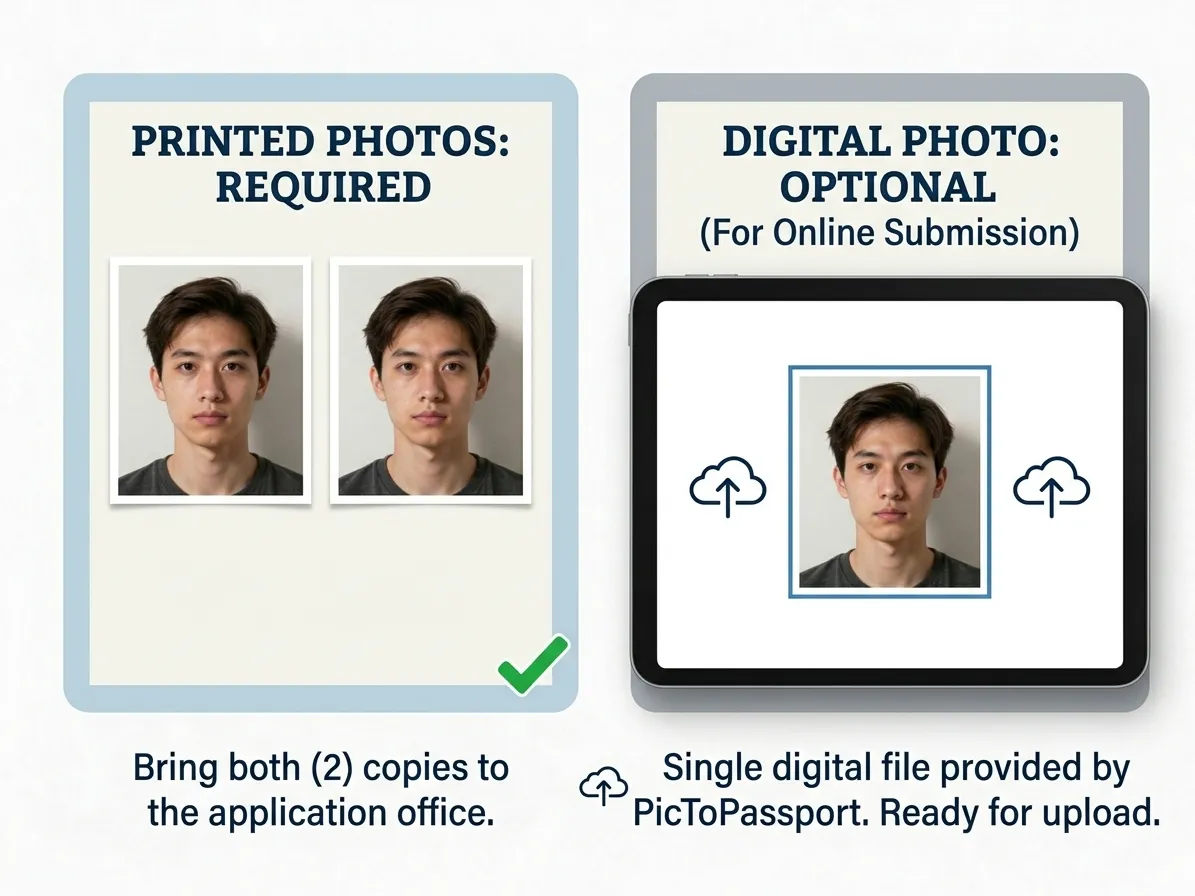
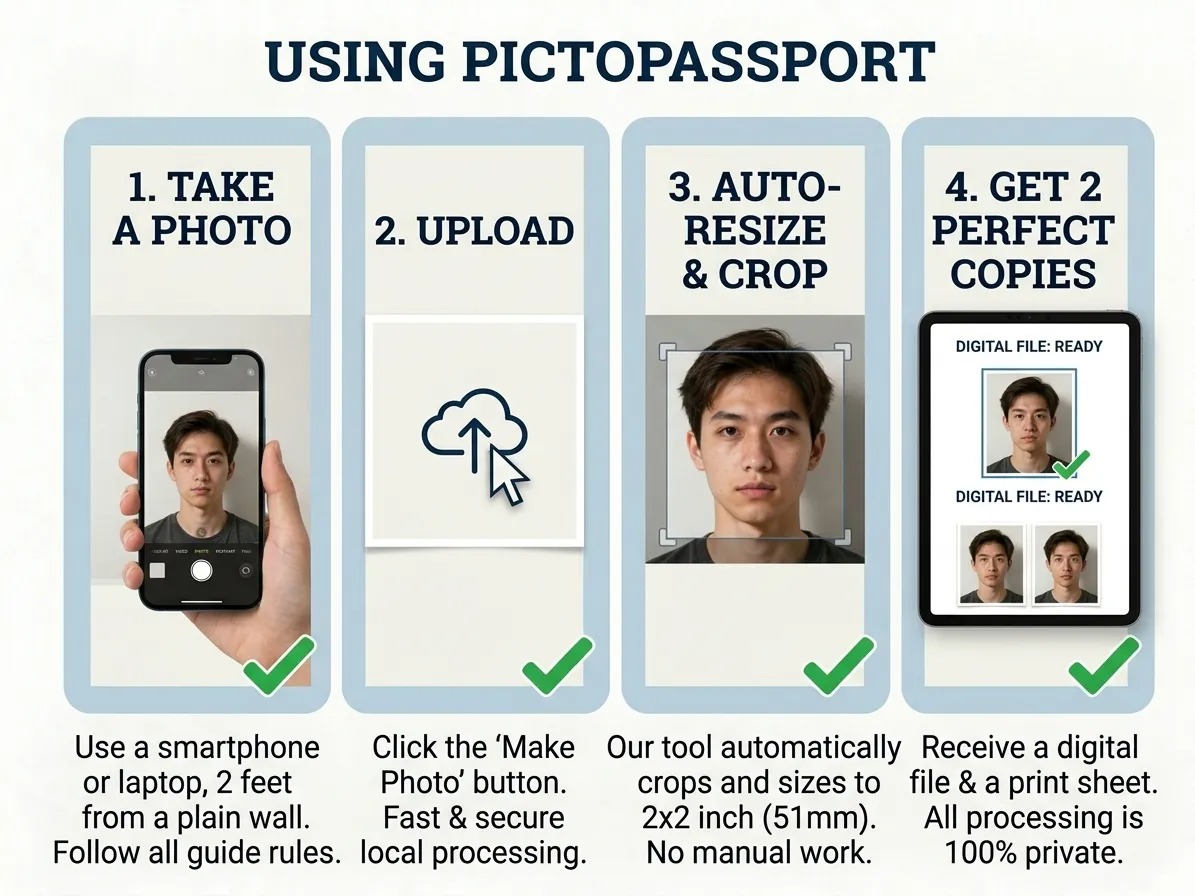
Nigerian passport and visa applications typically require 2 photos. When you use PicToPassport, you receive a digital file sized exactly for the 35 × 45 mm format plus a print-friendly layout with multiple copies on a single page. The digital file can be uploaded directly or taken to a print shop for professional-quality output at 1200 dpi on matt paper.
Common Mistakes to Avoid
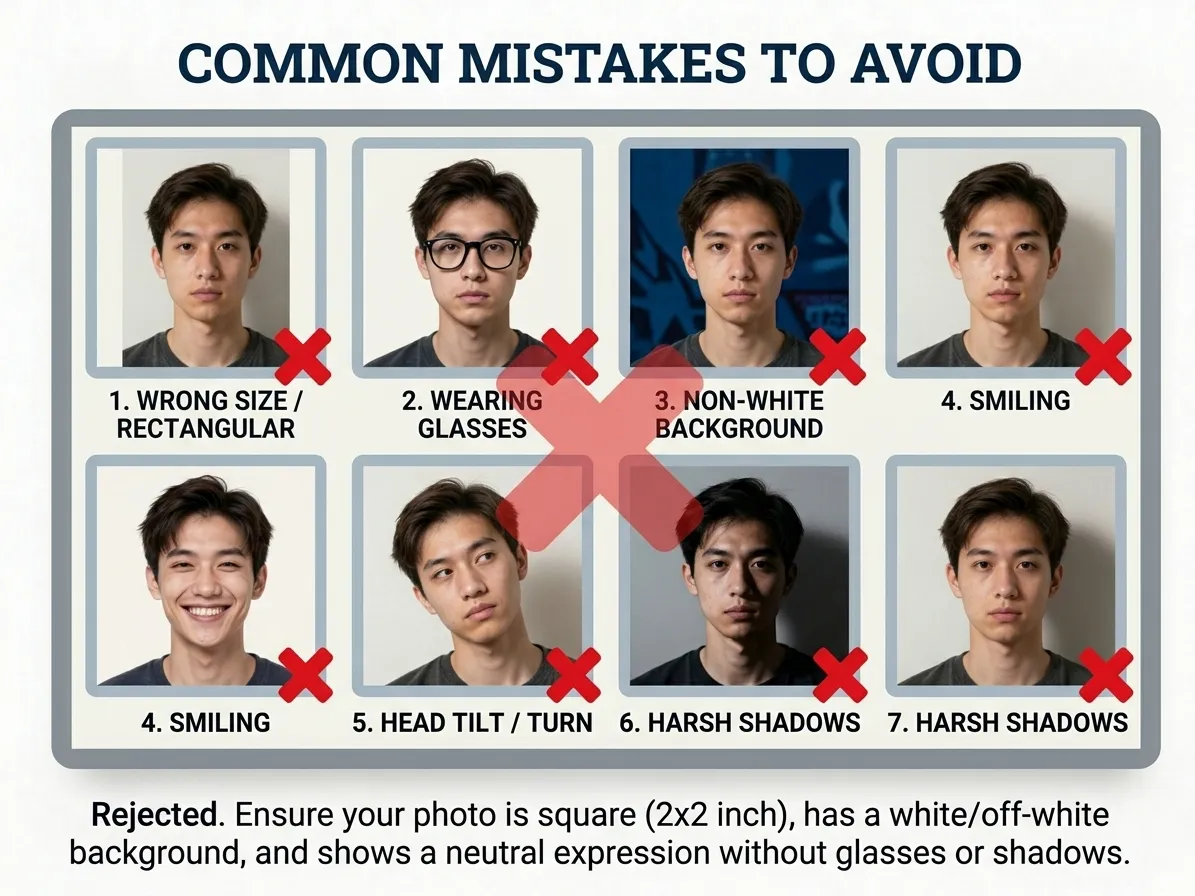
The most frequent reasons for rejection are photos printed on regular paper instead of photo-quality matt, wrong dimensions, a non-white background, and photos older than two weeks. Other issues include shadows on the glasses, hair covering the face, and wearing head coverings. Always check the Nigerian passport photo requirements before submitting.
A correct image in the wrong format still fails validation, which is why: Convert Image Format
Baby Passport Photos
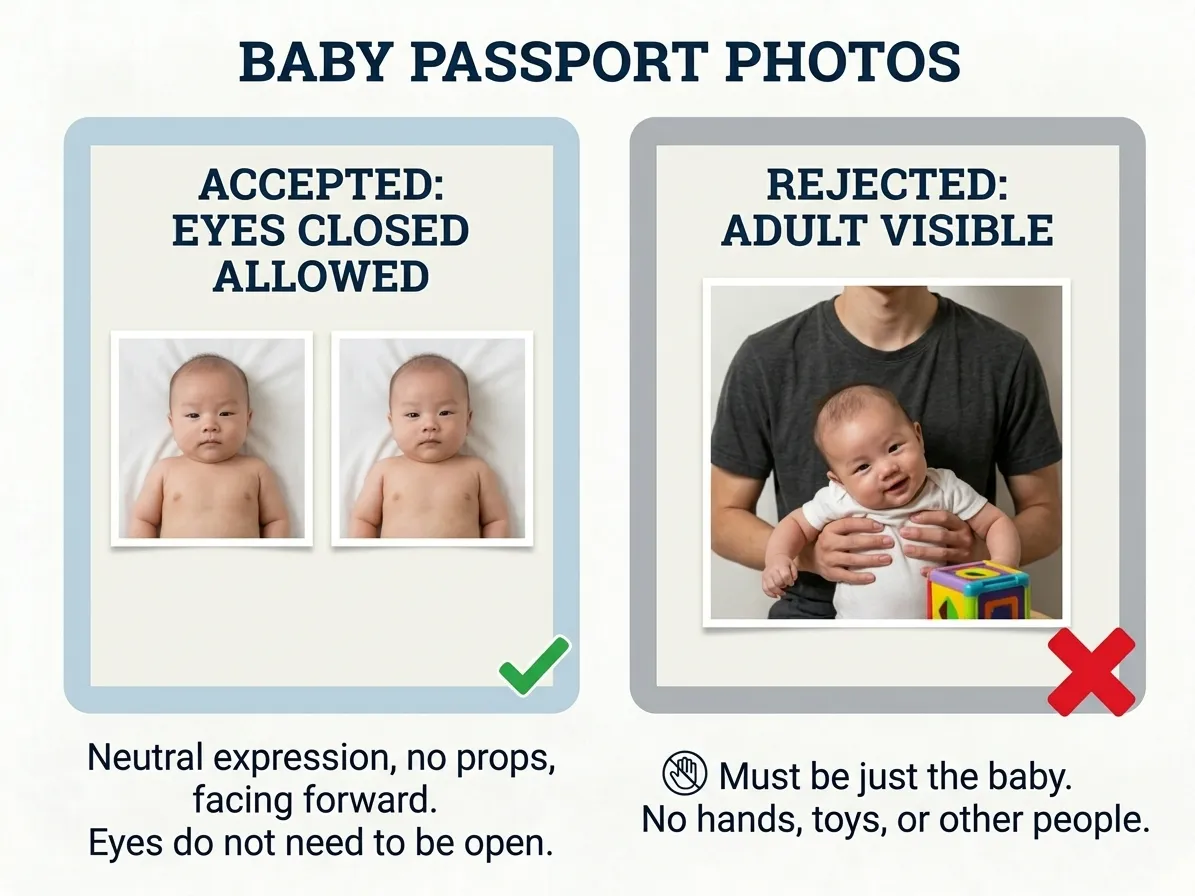
Infant shots are held to the same 35 mm × 45 mm frame and the same white background as an adult’s, and Nigeria enforces one condition without mercy: both eyes must be open. Wait until the baby is awake and settled, lay them flat on a plain white sheet, and shoot from directly above in soft daylight. A second person may steady the head from outside the frame, but no hand, toy or pacifier may appear in it.
Using PicToPassport
PicToPassport crops a Nigerian passport, visa or NIN ID photo to 35 mm × 45 mm, filling 70–80% of the frame from chin to crown, and it runs free with no server involved. The background is plain white with no patterns, textures or shadows, and glasses stay allowed as long as no reflection sits on the lens. Output is print-ready at 1200 dpi or higher on matt paper — the 2 photos you hand over at an NIS office. It runs in your browser; the file stays on your device.
Get Started in Minutes
Nigeria Immigration Service asks ₦100,000 for the 32-page 5-year passport and ₦200,000 for the 64-page 10-year from 1 Sep 2025; a fresh application takes 42 days after successful enrolment and a re-issue 21 days. Because your photo must be taken within the last 2 weeks, start it today in PicToPassport — free, private, and confined to your browser, with nothing leaving your device.

