


















Italy's passport photo rules are set by the Ministry of the Interior and apply to both the passport and the Carta d'Identità Elettronica (electronic ID card). The requirements cover exact size, a plain white background, and a neutral expression — with the unusual instruction to wear dark coloured clothing. This guide explains what you need to know and how PicToPassport helps you create a compliant photo for free, entirely in your browser.
Why Italy passport photo rules catch people out
Italian passport and ID applications are rejected most often because of photo issues — wrong dimensions, a non-white background, or shadows on the face. Because the rules specify a head size of 70–80% of the photo, even a slightly off-centre crop can cause problems. Sorting out the details before you submit saves you time and the hassle of starting over.
Official Photo Size
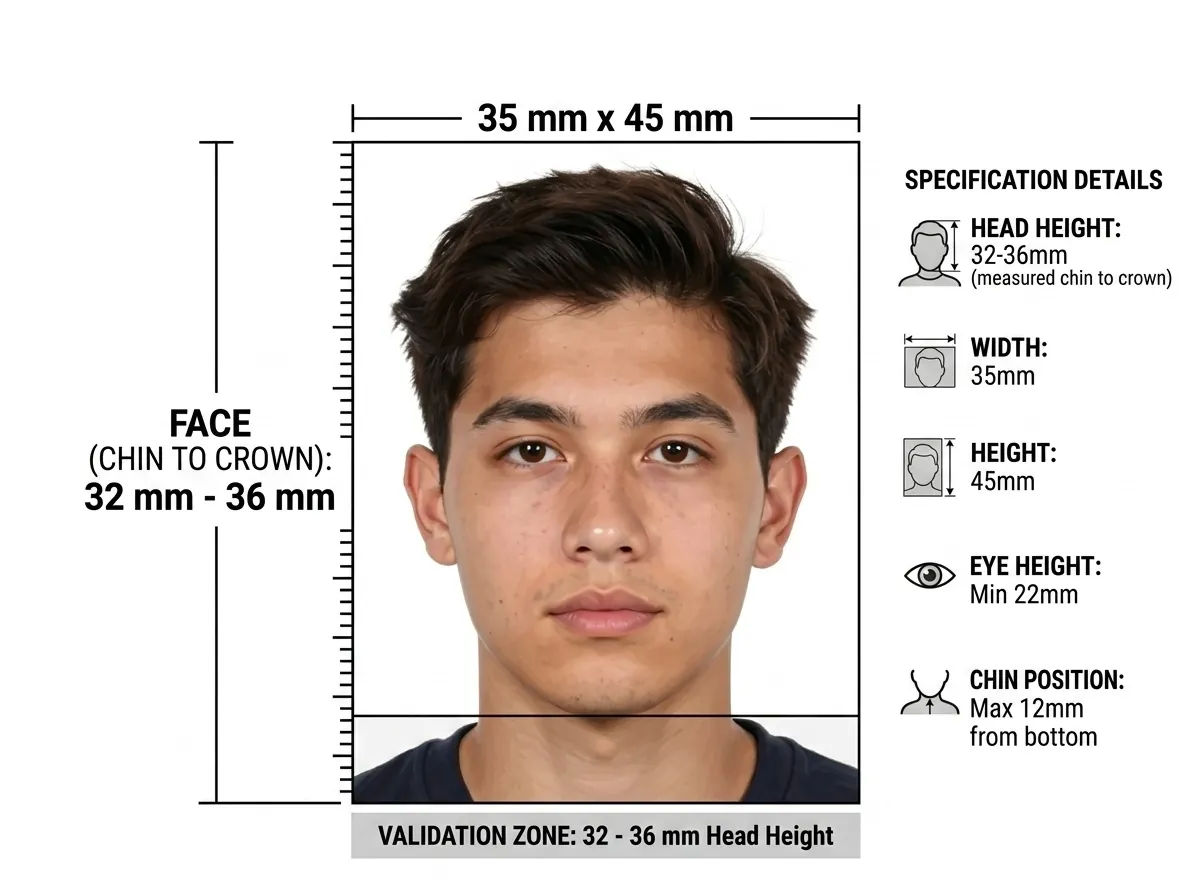
The required Italian passport photo size is 35 mm wide × 45 mm tall, the standard European biometric format. The head should occupy 70–80% of the photo, framed as a close-up of your head and the top of your shoulders. Visa and ID card photos use the same dimensions. The photo must show you alone — no chair backs, toys, or other people visible. Always verify with the official Ministry of the Interior before submitting.
A phone photo almost never comes out at the right dimensions, so scale it to the sheet: Photo Resizer
Background and Lighting
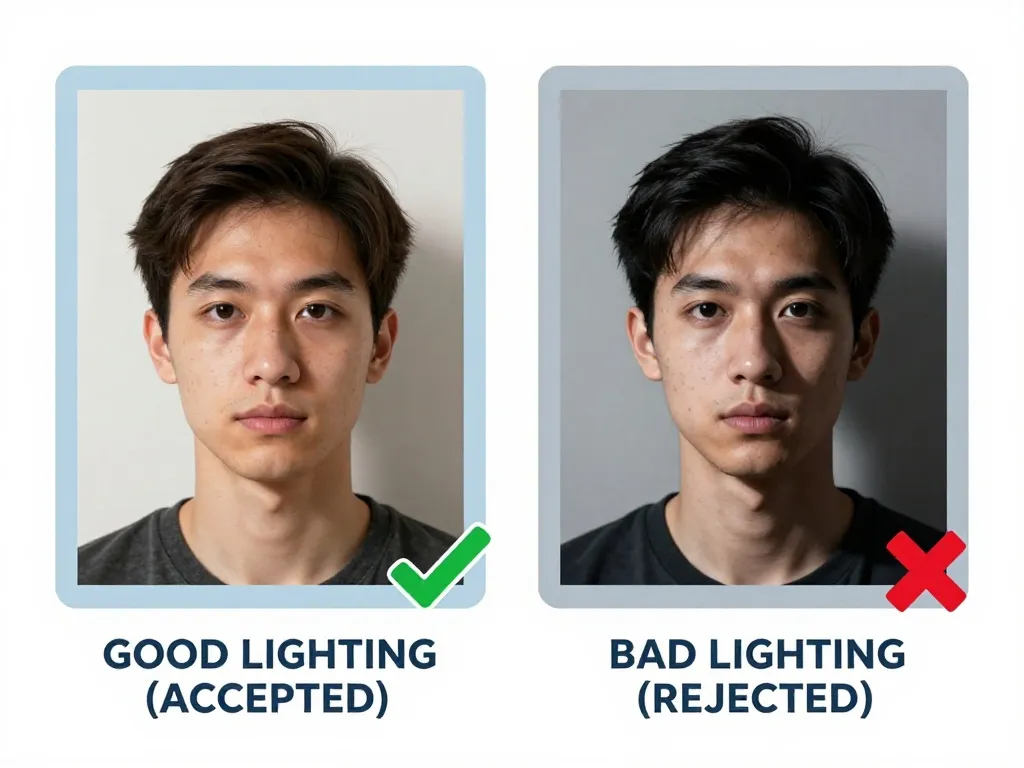
The background must be plain white. Lighting must be uniform and even across the face with no shadows or flash reflections. Red-eye is not acceptable, so avoid direct flash that reflects in the eyes. Natural daylight from a window works well, but avoid direct sunlight that creates harsh shadows behind the ears or on the background.
Expression and Pose
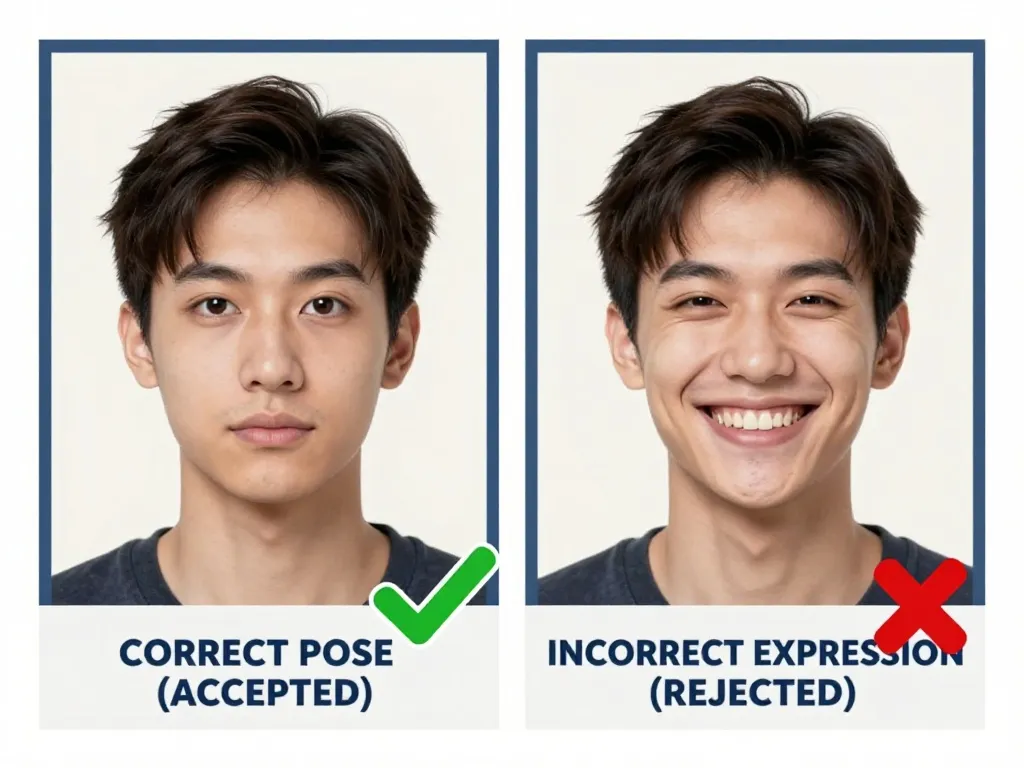
A neutral expression with the mouth closed is the Italian standard: eyes open, directed at the lens, head straight, no smile and no frown. Glasses are actively discouraged, and if you keep them the lenses must be untinted, the frames light, and no reflection crossing the eye. Head coverings are admitted only as religious dress and must leave the whole face readable. Passport and carta d’identità photos share that same pose.
Glasses and Accessories
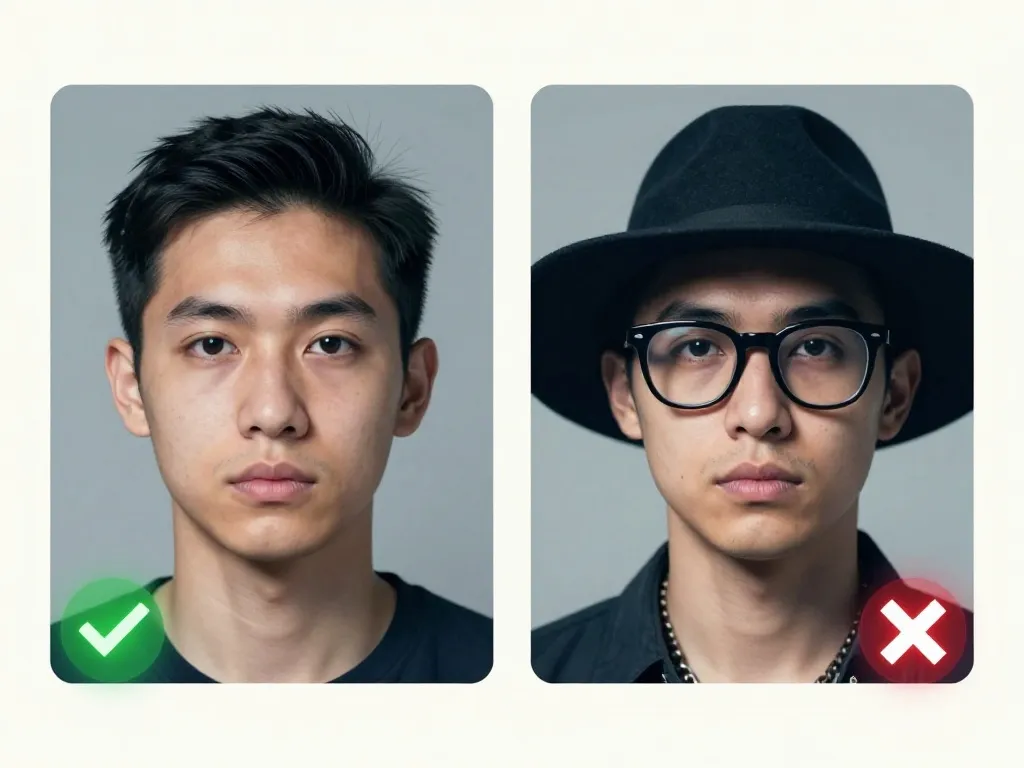
Glasses are advised against, but if worn they must show your eyes clearly with no flash reflections. Reading lenses are allowed; sunglasses and tinted lenses are not. Thick frames are also not permitted, and the frame must never cover or obstruct the eyes. Head coverings are only allowed for religious reasons, and the face must remain fully visible. You should wear dark coloured clothing for the photo.
Face Visibility
The Italian measure is proportional rather than absolute: the head must occupy 70–80% of the 35 mm × 45 mm print, chin to crown — roughly 31 mm to 36 mm of the 45 mm height. Too small a head and features are hard to read; too large and the crown or chin is cropped. Dark clothing is requested so the face contrasts cleanly against the plain white background.
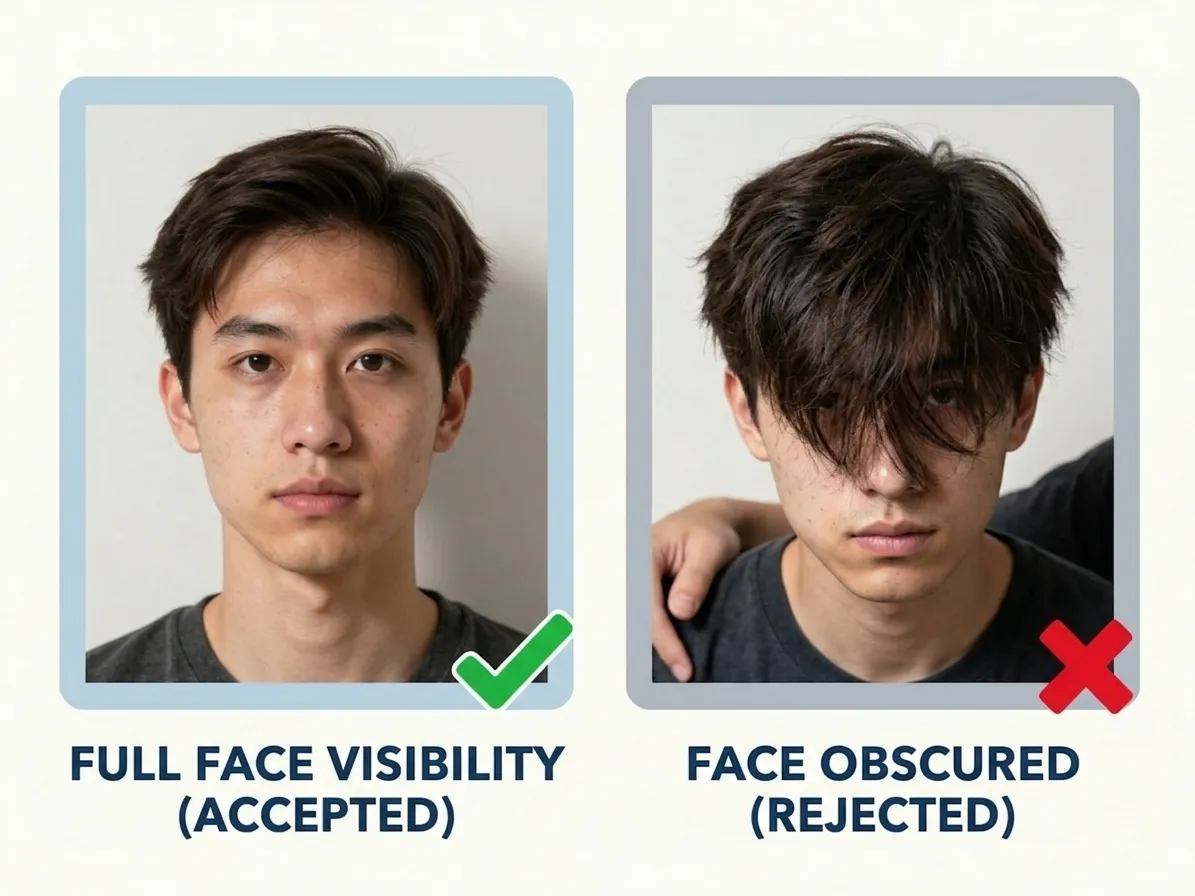
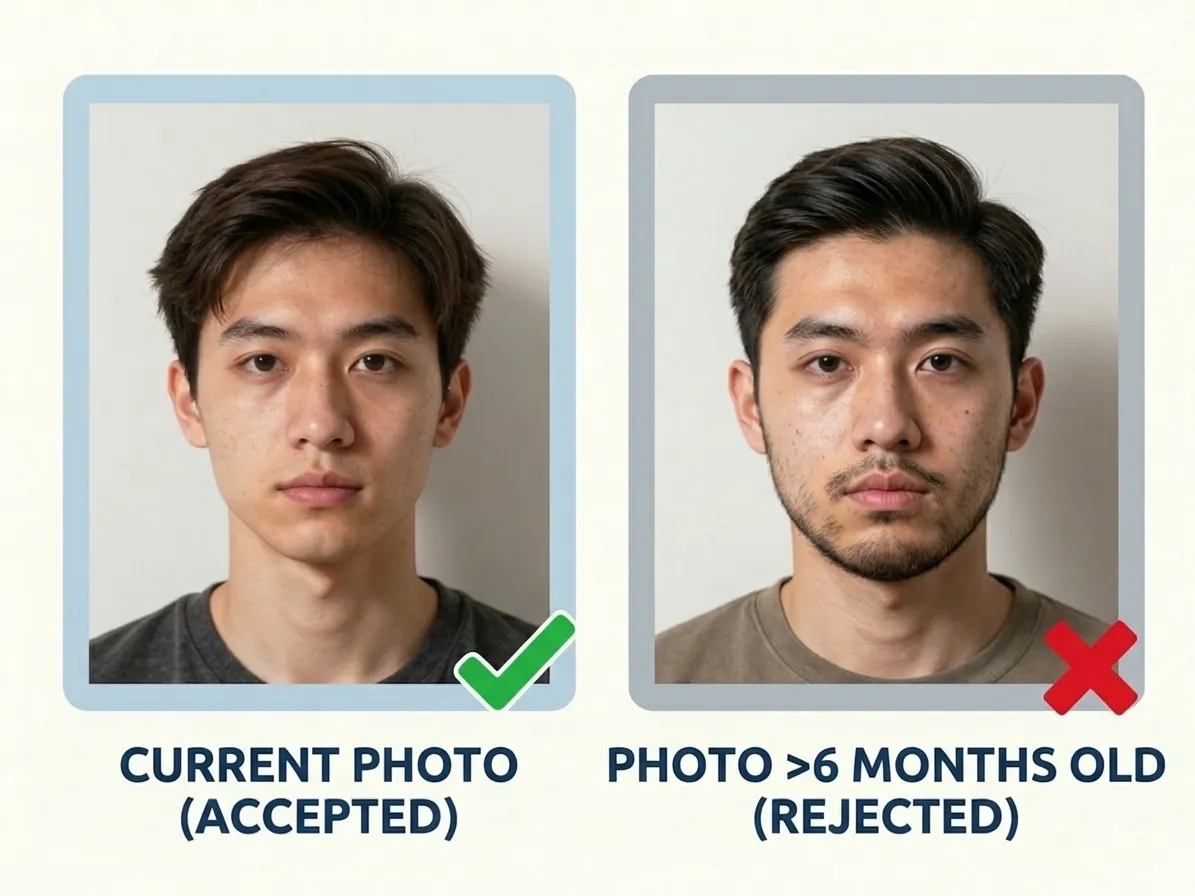
Photo Recency
No age limit appears in the Italian photo specification, and that silence is not an invitation to reuse an old print. The official comparing the image with the person in front of them will notice a haircut, new spectacles or weight change that the dimensions cannot hide. Have the picture taken shortly before you lodge the application, keep the file, and reprint rather than recycle a photograph from a previous document.
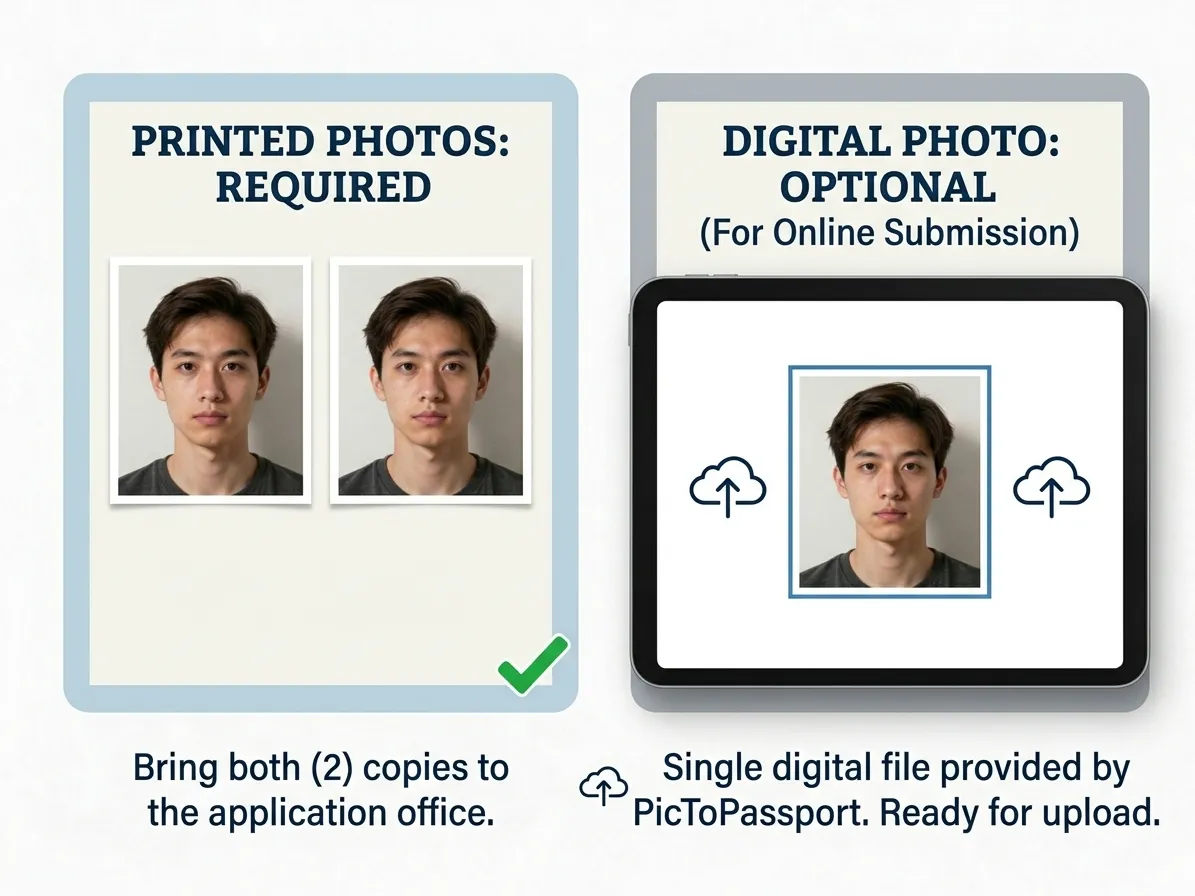
How Many Copies You Get
Italian passport applications are submitted with 2 photos, printed in color at high resolution as the specification asks. Prepare both from the same capture so they agree in exposure and crop, and reject either one that shows a scratch or a soft focus. Carrying a matched pair to the counter spares you another round of printing if either sheet comes back rejected.
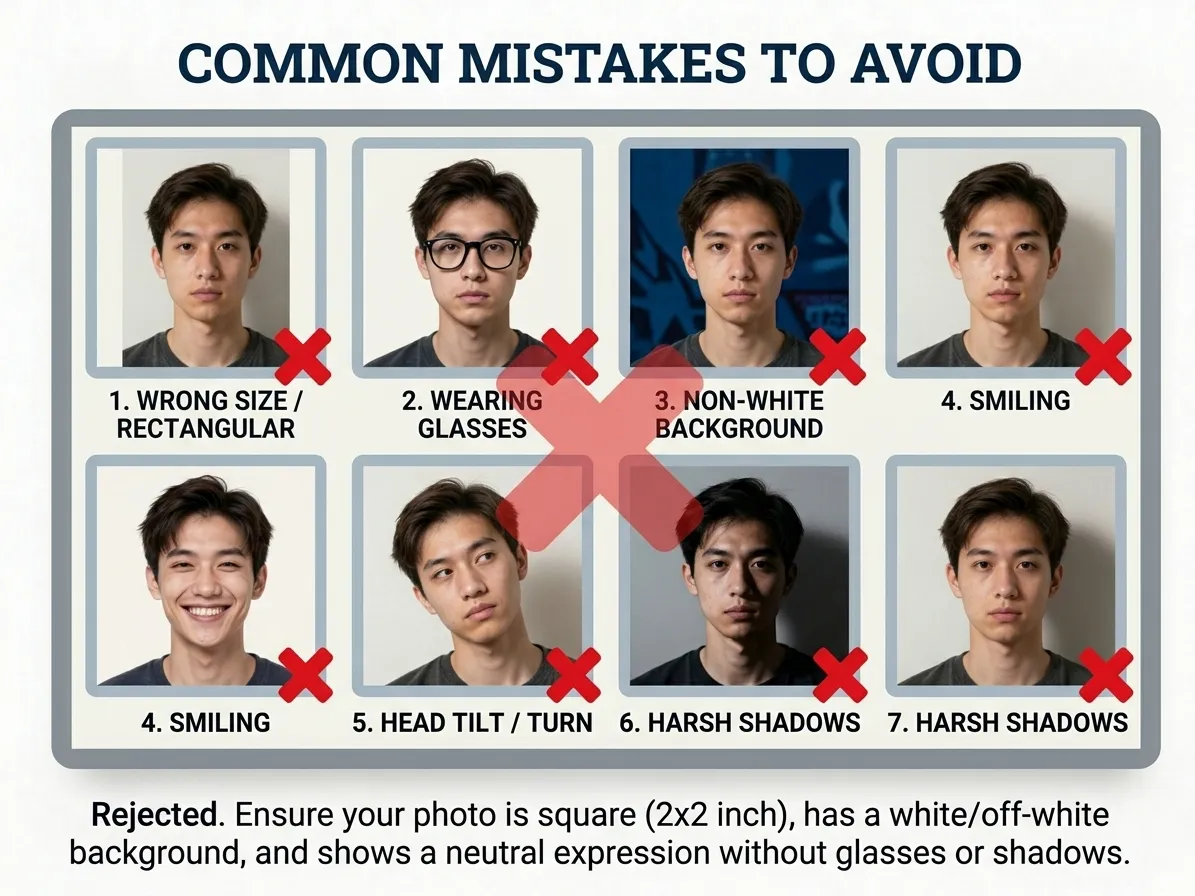
Common Mistakes to Avoid
The most frequent reasons for rejection are a non-white background, shadows on the face or behind the head, wearing sunglasses or thick-framed glasses, or a head that is too small or too large. Other issues include smiling, tilting the head, wearing light clothing (dark is required), or submitting a black-and-white photo. Always double-check the Italy passport photo requirements before submitting.
If the application wants a format your phone did not save, convert it before you upload: Convert Image Format
Baby Passport Photos
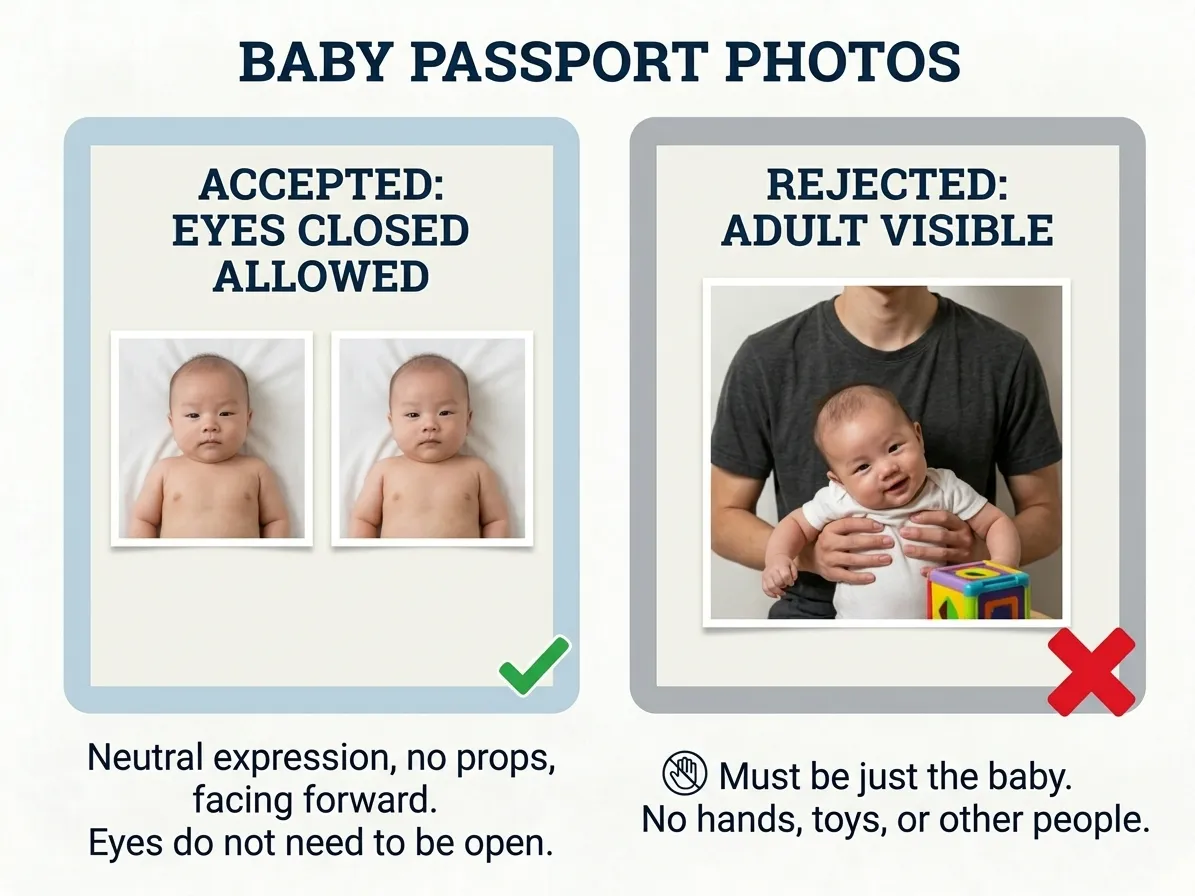
There is no published baby-specific rule in Italy, so an infant is framed exactly like an adult: 35 mm × 45 mm, white background, head near 70–80% of the sheet. Place the baby flat on a white sheet, shoot from above in daylight, and keep both crown and chin inside the frame. A second person may steady the head from behind, provided no hands, toys or pacifiers enter the picture.
Expect a few attempts before one passes, and a tool built for babies makes the first count: Baby Passport Photo Maker
Using PicToPassport
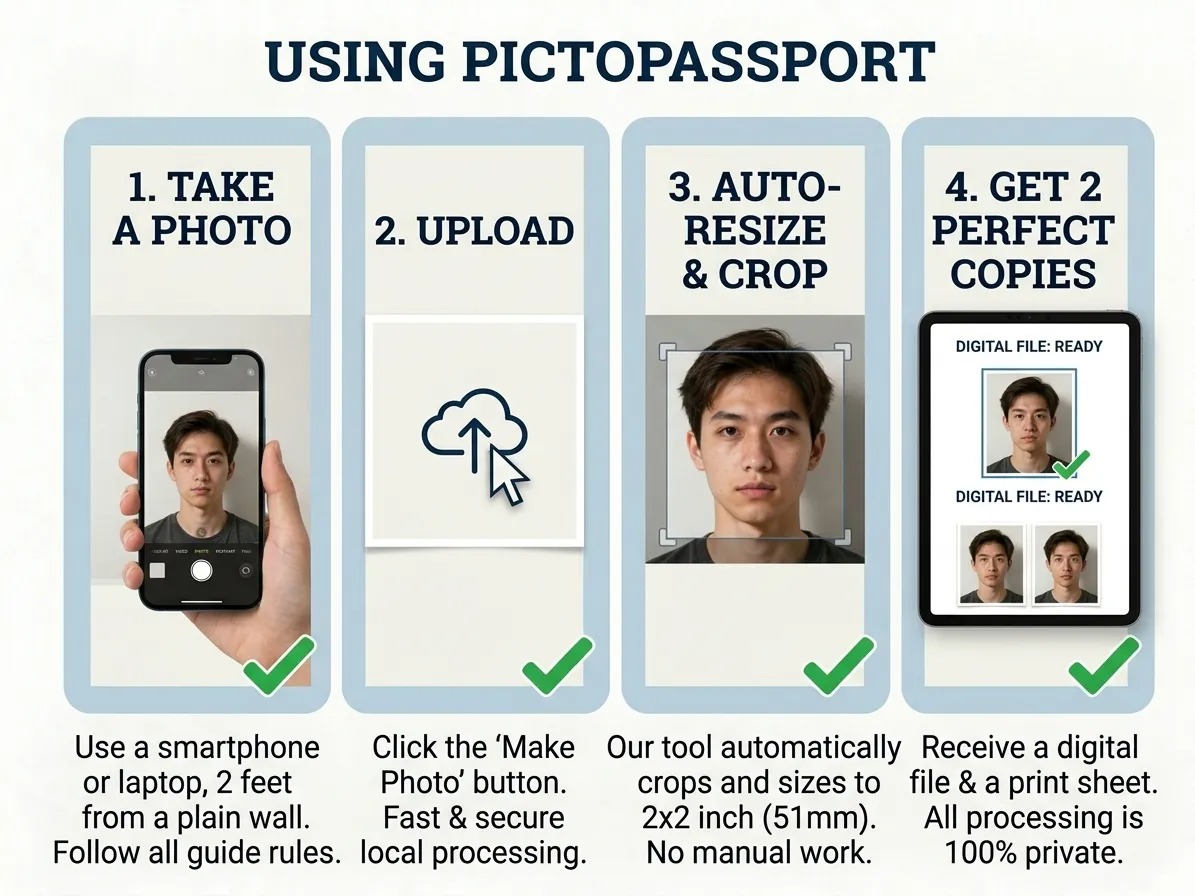
PicToPassport frames an Italian passport photo at 35 mm × 45 mm, the same size used for the visa and identity card, and it runs free in your browser with no upload anywhere. The background is plain white with uniform lighting and no shadows, the head fills 70–80% of the print measured chin to crown, and the output is print-ready for the 2 photos a passport application requires. Everything happens on your device, so the picture never reaches a server.
Get Started in Minutes
The Italian foreign ministry lists €116.00 total for the standard adult booklet — €42.50 stamp duty plus €73.50 state contribution — and publishes no single turnaround figure, so its passport service page is where to check. Use PicToPassport to settle the photo now: it is free, runs in your browser, sets the plain white background, and keeps your image private on your device.