


















Vietnamese passport photo requirements are specific — the passport size is 40 × 60 mm, larger than the standard 35 × 45 mm format used by many countries. Getting these dimensions wrong or wearing glasses can lead to rejection. This guide covers everything you need to know and shows how PicToPassport helps you create a compliant photo for free.
Why Vietnam passport photos get refused
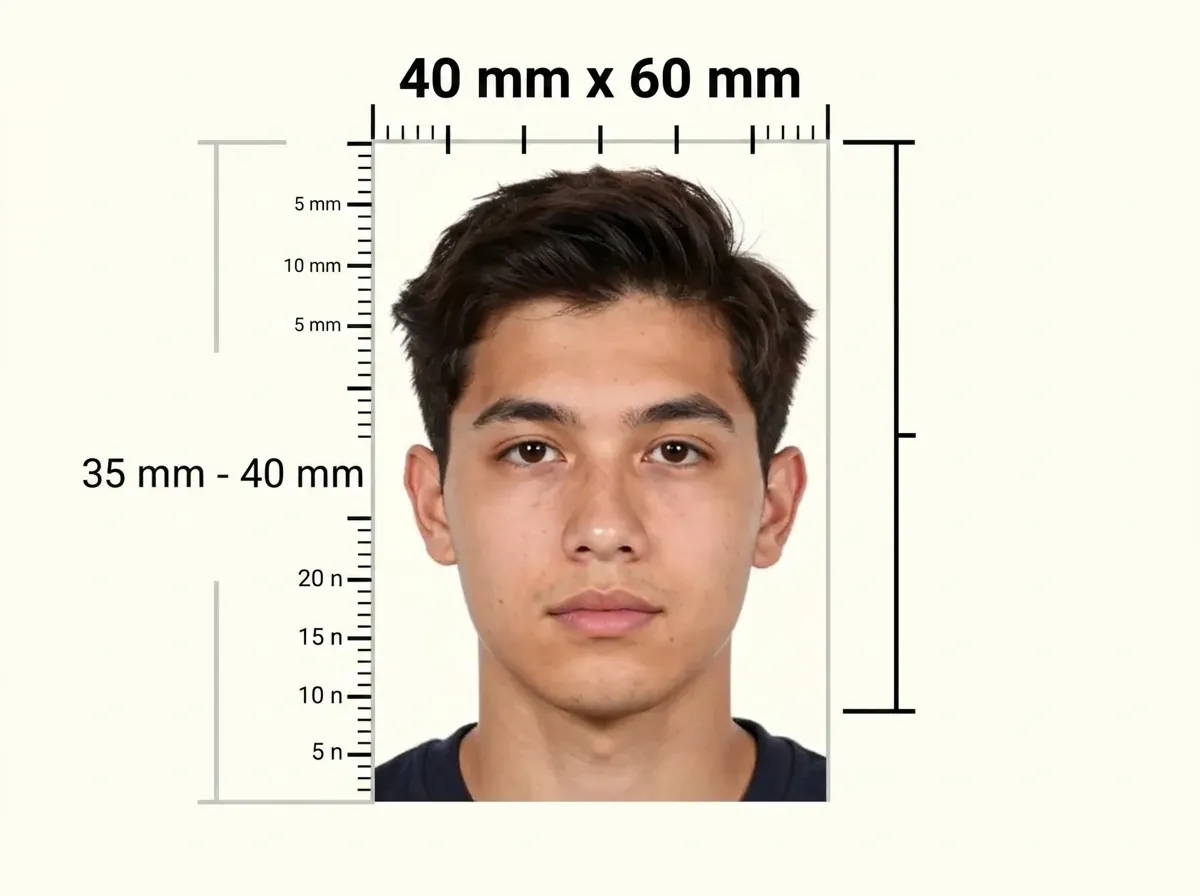
Vietnam's photo rules turn on completeness rather than measurements: the full face must be visible from the top of the head to the chin, on plain white, within the 40 mm × 60 mm frame. A crop that cuts the crown, a backdrop that is not white or any digital alteration leads to refusal and a fresh print. Hold the frame against the table before you hand the photos over.
Official Photo Size
The Vietnamese passport photo size is 40 mm wide × 60 mm tall — larger than the standard 35 × 45 mm format. For visa applications, the standard 40 × 60 mm format is used. The photo must show a close-up of your head and shoulders with a full face view. Always verify with the official Ministry of Foreign Affairs before submitting.
If you are moving between two sizes, resize rather than crop and hope: Photo Resizer
Background and Lighting
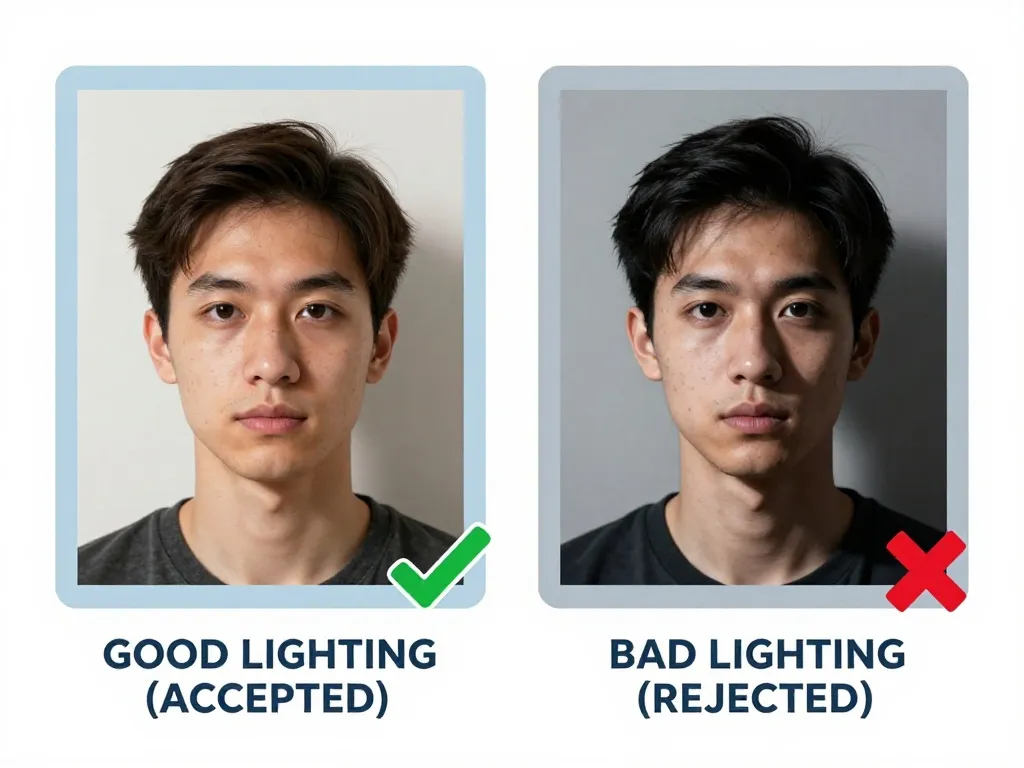
Vietnam keeps the same backdrop rule for passport, visa and e-Visa photos: plain white, nothing else. Because the authorities also bar digital alterations, the white has to exist when the shutter fires rather than being painted in afterward — position yourself against a genuinely white surface and let the camera record it honestly. A tinted wall corrected in an app is not the same photo the rule contemplates.
If no wall in the room is plain enough, swap the backdrop instead: Background Eraser
Expression and Pose
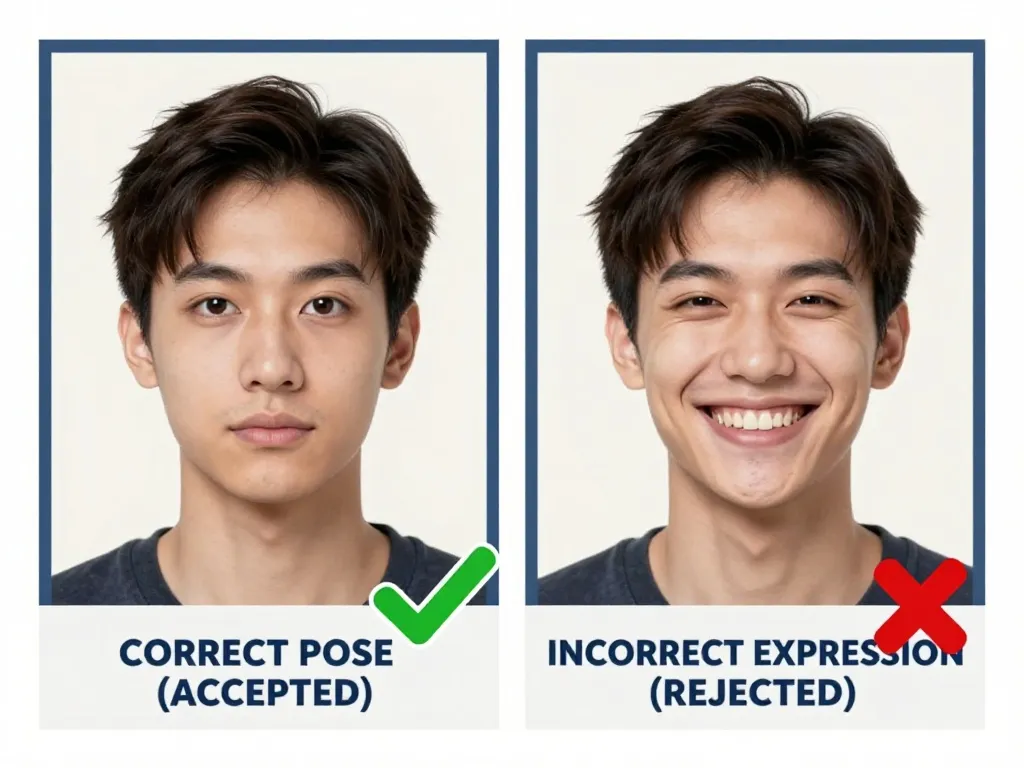
Vietnam pairs a neutral expression with a closed mouth and a total ban on spectacles: no prescription glasses, no sunglasses, no reading glasses at all. Veils, hats and scarves are prohibited, as is any accessory that covers the ears or forehead. The face must run unbroken from the top of the head to the chin, so pull hair back and remove anything sitting over the ears before the shutter rather than hoping an officer will overlook it.
Glasses and Accessories
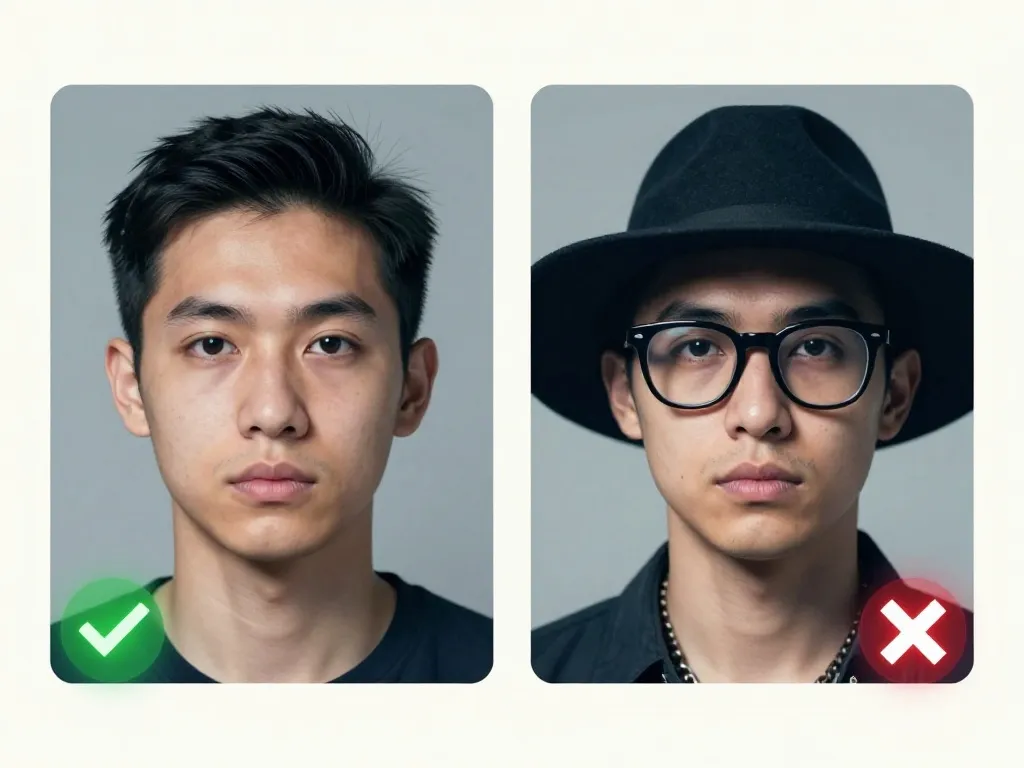
No glasses of any kind are allowed in Vietnamese passport photos. This includes prescription glasses, sunglasses, and reading glasses. Veils, hats, and scarves are strictly prohibited. Any accessories that cover your ears or forehead are also prohibited. The full face must be completely visible with no coverings.
Face Visibility
The Vietnamese frame is portrait and generous: 40 mm wide × 60 mm tall, with the full face visible from the top of the head down to the chin. No head-height figure is published, so the working test is coverage — the crown must sit inside the border, the chin must not slide out, and the face must be centred on a plain white background with no pattern. The same 40 mm × 60 mm size covers visa and e-Visa prints.
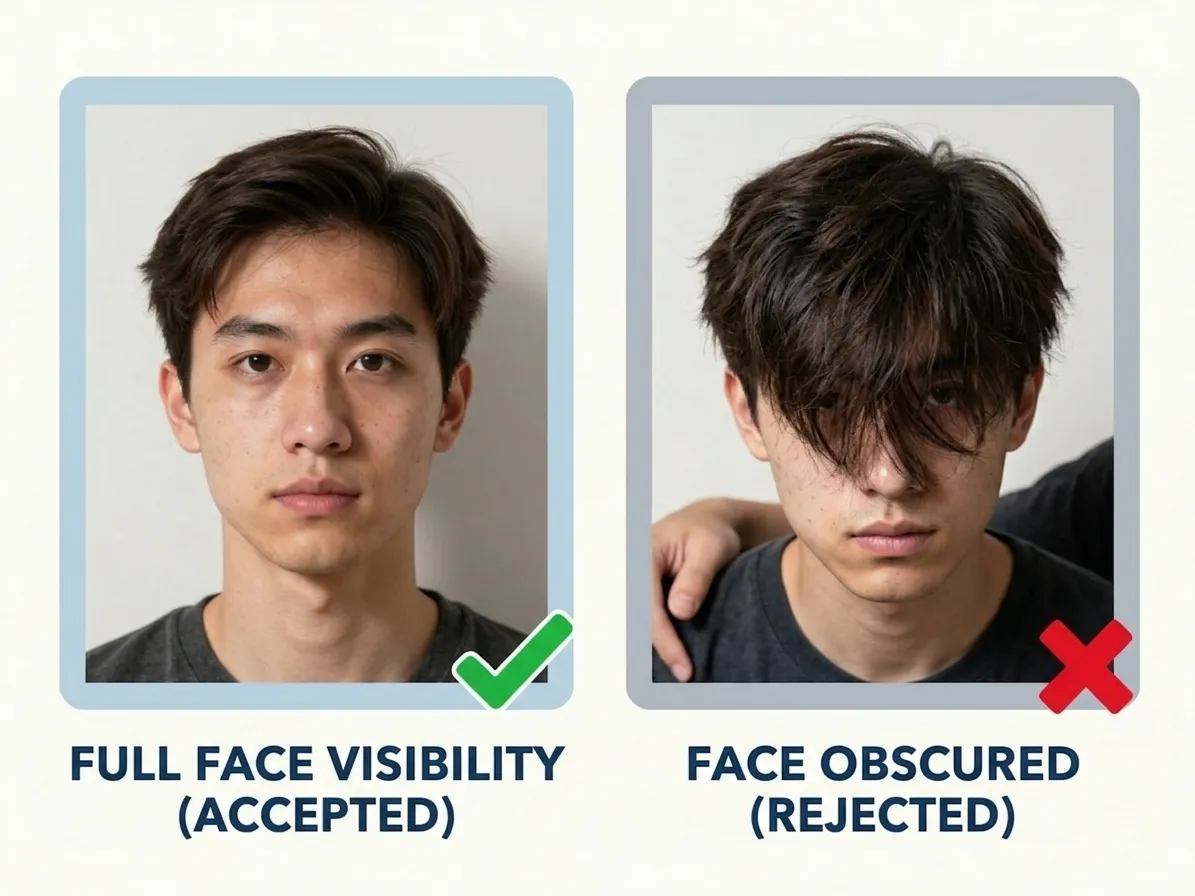
Photo Recency
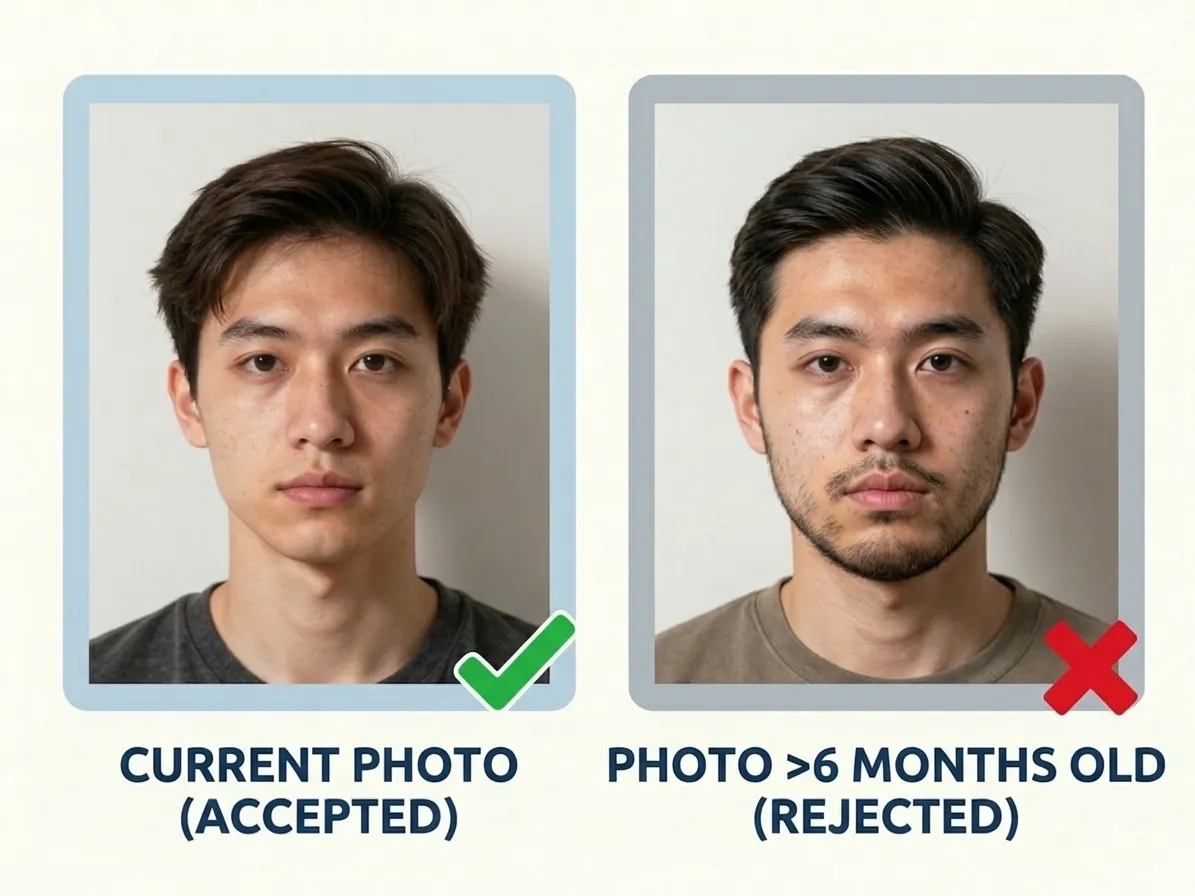
A six-month guideline governs Vietnamese photos, asking for an image that reflects your current appearance. Because digital alterations are prohibited, you cannot rescue an older file by softening a jawline or evening out skin: the print must be a true record. Retake before you file, keep the untouched original, and resist reusing a photograph from a previous visa, which a difference in hair or glasses will expose immediately.
How Many Copies You Get
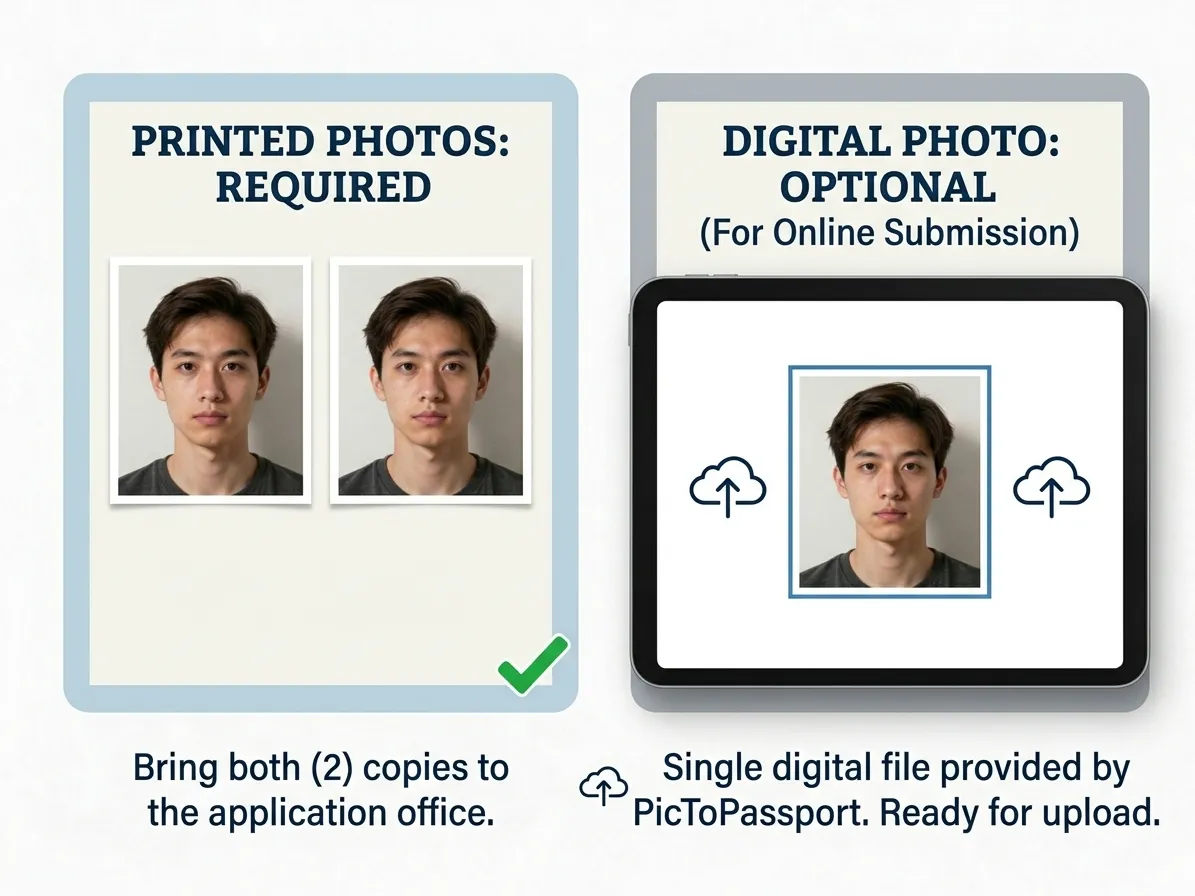
Passport applications in Vietnam need between 2 and 4 photos, and a visa application needs 2. Order the full number in one go: the prints must be paper, with no digital alterations allowed, so every copy has to come from the untouched original. Checking the whole stack before you submit keeps a rejected sheet from becoming a second order.
Common Mistakes to Avoid
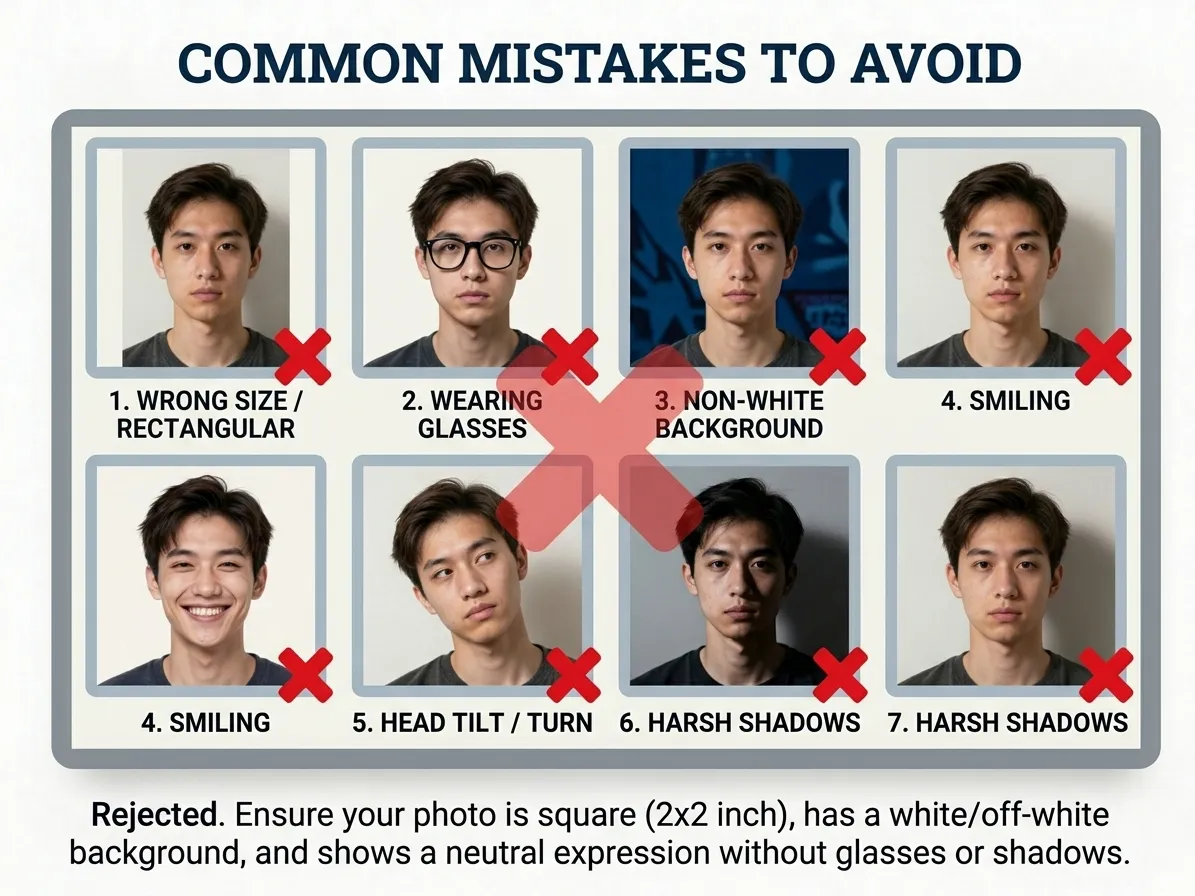
The most frequent reasons for rejection are using the wrong dimensions (40 × 60 mm for passport, not 35 × 45 mm), wearing glasses, and non-white backgrounds. Other issues include wearing veils, hats, or scarves, and having accessories cover the ears or forehead. Always check the Vietnam passport photo requirements before submitting.
Baby Passport Photos
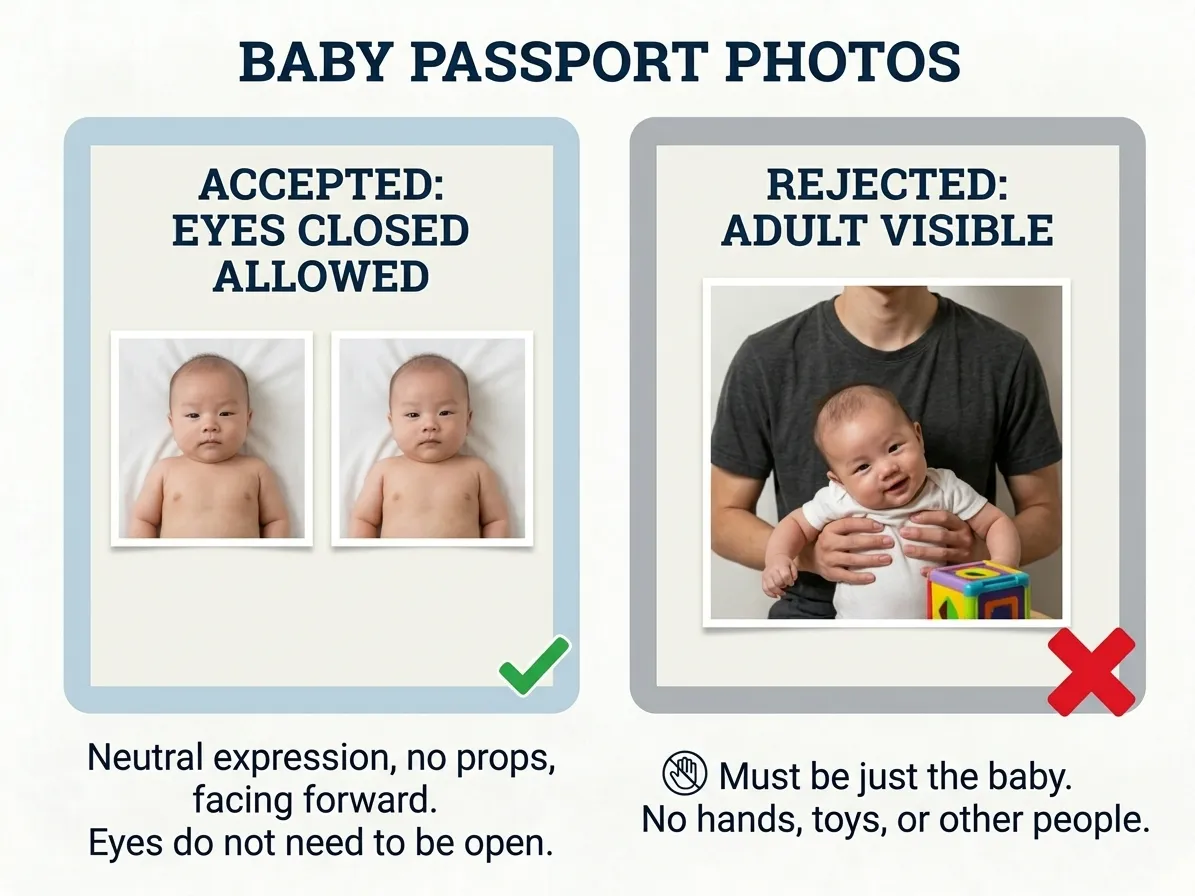
No infant exception is published in Vietnam, so a baby is measured against the same 40 mm × 60 mm sheet as an adult. Lay the child on a plain white sheet, shoot from directly above in natural light, and keep the whole face — top of head to chin — inside the border with no hands, toys or dummies intruding. Several quick frames will find one where the eyes are open, the head is straight and the mouth is calm.
A studio sitting rarely works with a newborn, and an infant-specific tool keeps the crop inside spec: Baby Passport Photo Maker
Using PicToPassport
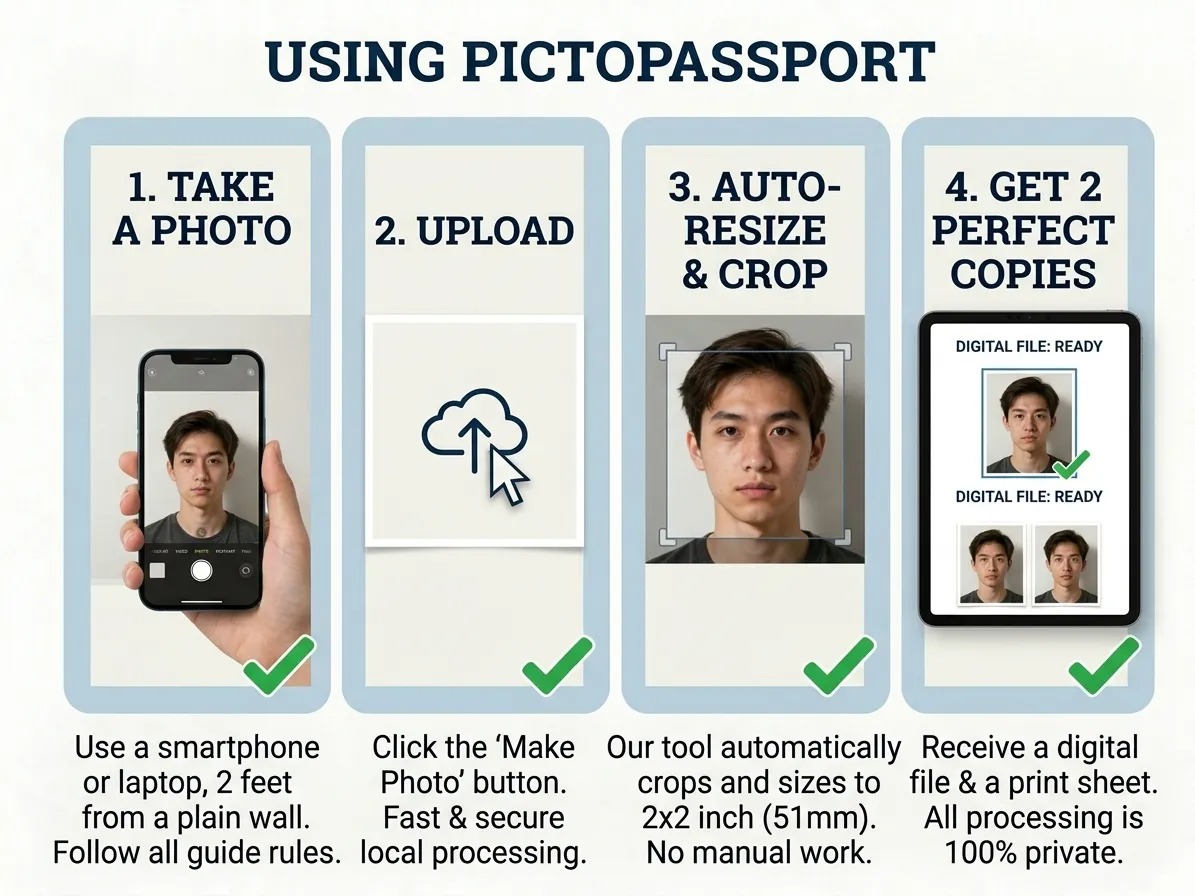
Vietnamese passport, visa and e-Visa photos are all 40 mm × 60 mm, and PicToPassport crops to that frame free in your browser. The background is plain white with no shadow, the face is shown full and square with no glasses, veil, hat or scarf, and the image needs no digital alteration of any kind. Output is a paper print — 2 to 4 photos for a passport, 2 for a visa — produced on your device with no upload.
Get Started in Minutes
The Vietnam National Public Service Portal charges 200,000 VND for a new passport (Circular 28/2026/TT-BTC, from 1 April 2026), and processing takes 5 working days. That leaves little slack, so make the photo first: PicToPassport crops to 40 mm × 60 mm, holds the plain white background, and stays free and private in your browser — your picture never leaves the device.

