

















The Netherlands has some of the most detailed passport photo rules in Europe — specifying not just the head height but also the ear-to-ear width (16–20 mm), a minimum resolution of 400 dpi, and three acceptable background colours. This guide explains the official requirements and how PicToPassport helps you create a compliant photo for free, entirely in your browser.
Why Dutch passport photos get rejected early
Dutch passport and ID applications are checked against precise measurements. If your head is outside the 26–30 mm range, the ear-to-ear width is wrong, or the image has visible support (like a hand or chair back), the photo can be rejected. Because the rules are so specific, getting the framing right the first time avoids a return trip to the municipality.
Dutch passport photo size at 35 × 45 mm
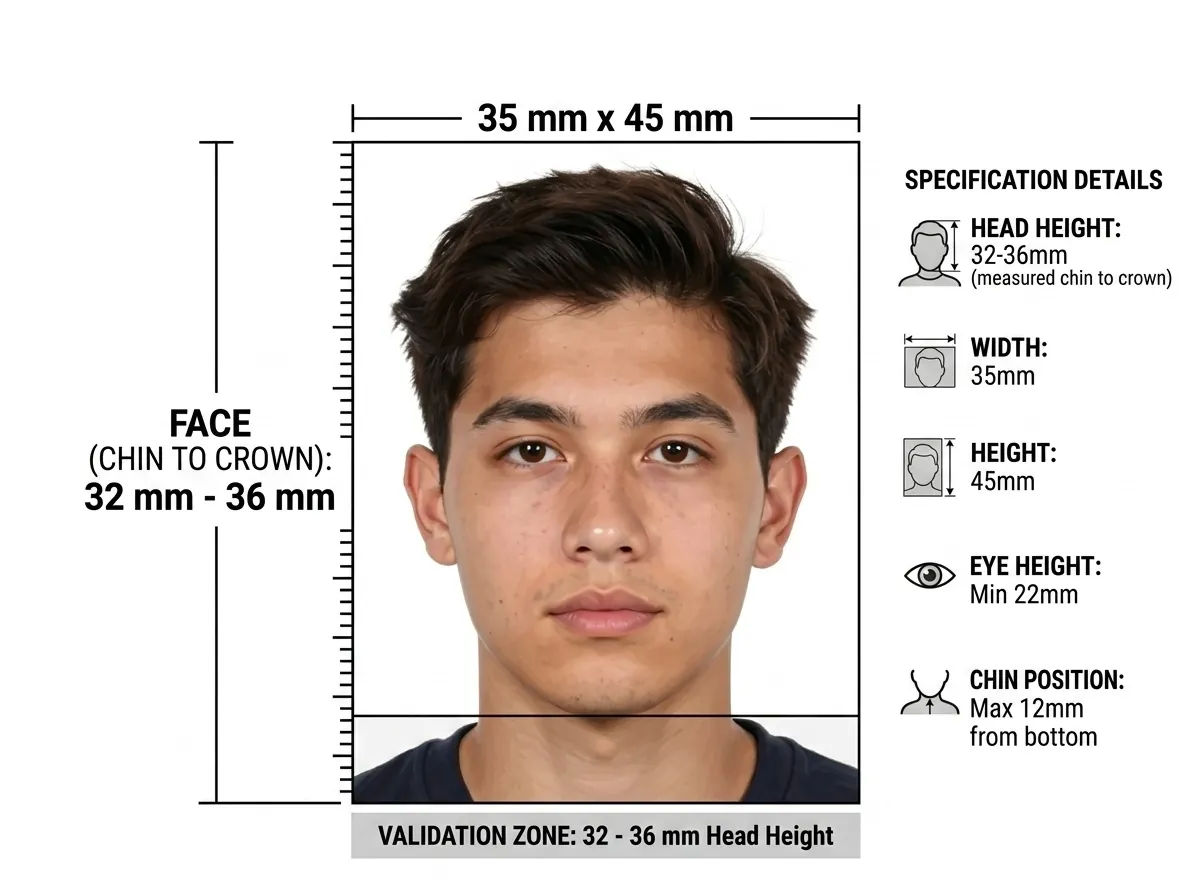
The required Dutch passport photo size is 35 mm wide × 45 mm tall. You need 2 photos for a passport application. For adults (11+), the head height must be 26–30 mm from forehead to chin, with the ear-to-ear width between 16–20 mm. For children under 11, the head height is 19–30 mm. The minimum image resolution is 400 dpi. Visa photos are also 35 × 45 mm. Always verify with the official Government of the Netherlands before submitting.
Getting the frame to land on the exact millimetre is the fiddly part: Photo Resizer
Dutch backgrounds: light grey, pale blue, white
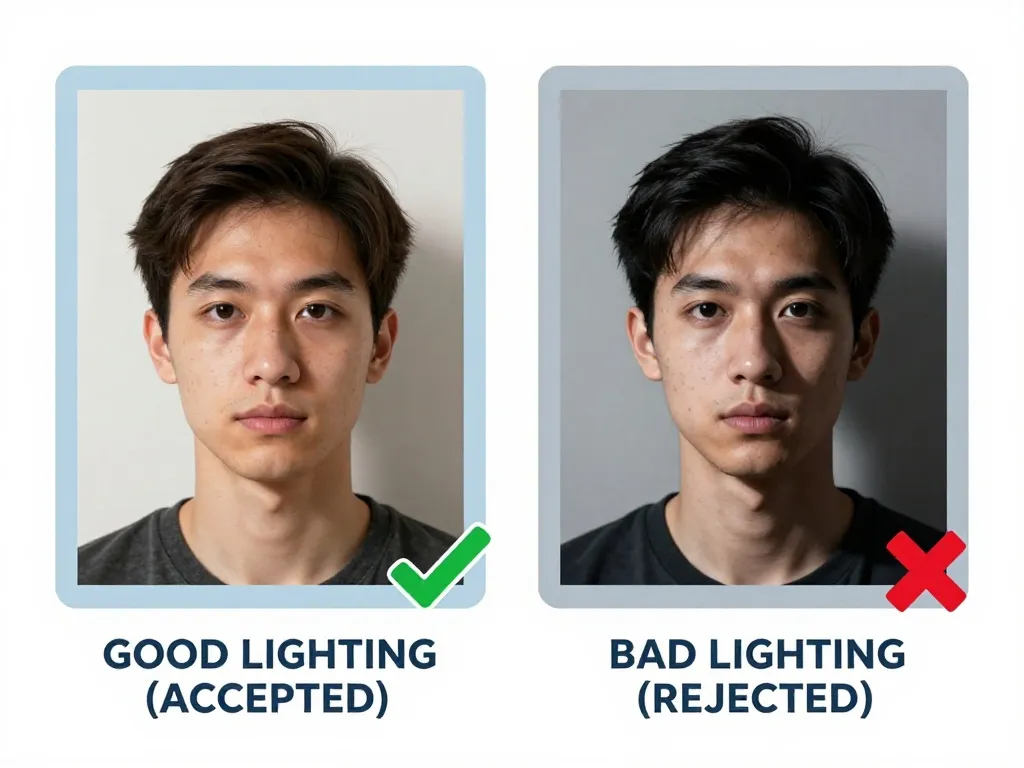
The Netherlands accepts three background colours: light grey, pale blue, or white. Lighting must be uniform, with no shadows on the face or background and no reflections on the face. This range of acceptable backgrounds is unusual in Europe — most countries only accept white. For visas, white or off-white is preferred.
Dutch passport expressions stay neutral and closed
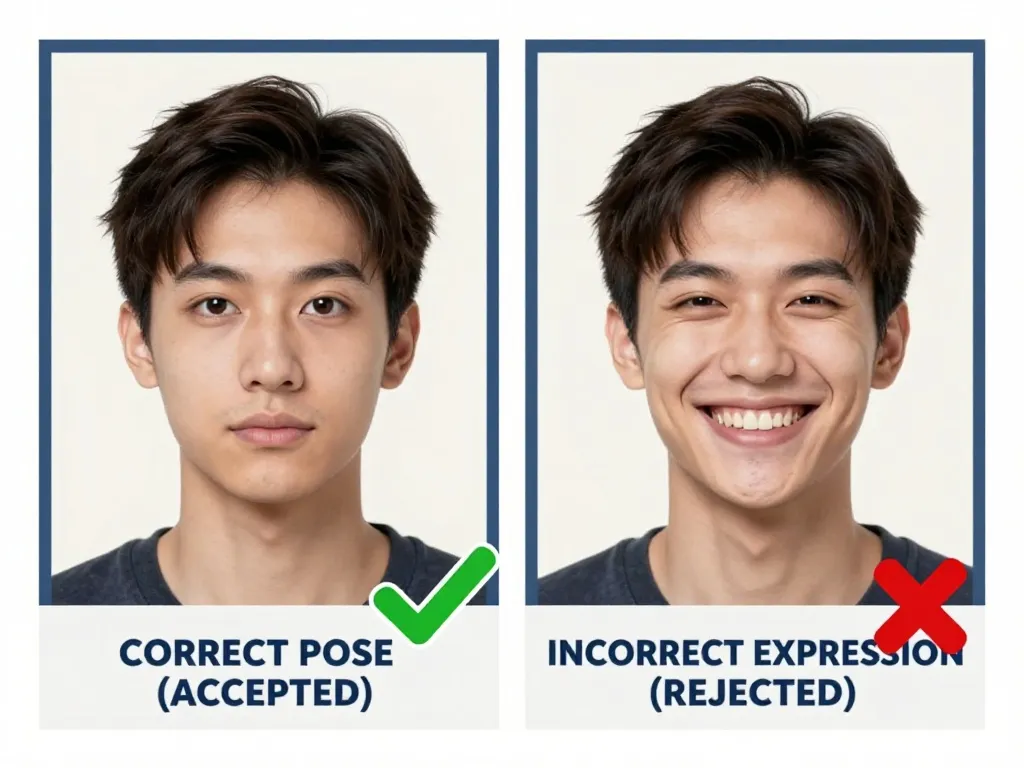
Dutch photos call for a neutral expression with the mouth closed, eyes on a horizontal line and the head centred with no visible support — no hands, no chair back, no prop behind it. Transparent spectacles are allowed provided there is no tint, reflection or shadow; sunglasses are refused, and head coverings are accepted only as religious dress. The municipality compares the print with you in person, so nothing about the pose should be theatrical.
Dutch passport photos with clear glasses, no tint
Fully transparent glasses are allowed, but they must have no shadow, no reflection, and no tinted lens. Sunglasses are not permitted. Head coverings are only allowed for religious reasons, and the face and eyes must remain entirely visible. Children under six get an exception for head coverings. The head must be uncovered otherwise.
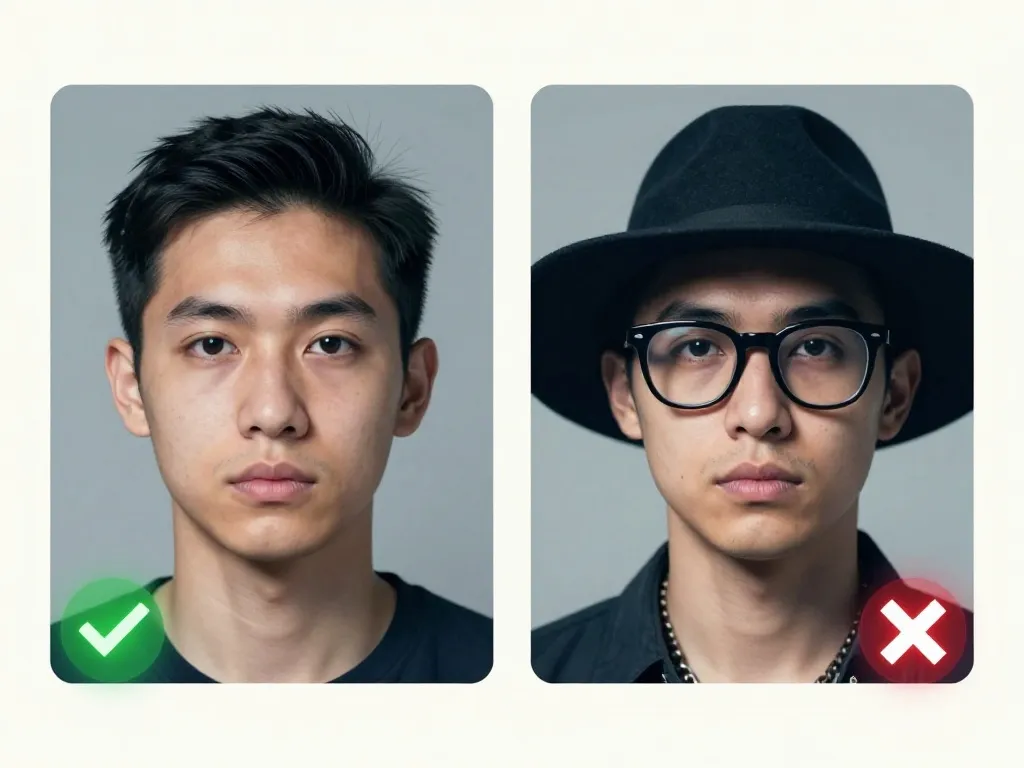
Face and head width measured for a Dutch passport photo
The Netherlands publishes hard numbers. Head height must be 26 mm – 30 mm for applicants aged 11 and over, 19 mm – 30 mm for children under 11, and the head must measure 16 mm – 20 mm from ear to ear. Render at 400 dpi or better so those margins survive the print. A head that is perfectly centred but 33 mm tall still fails, which is why measuring on screen before printing is worth the two minutes.
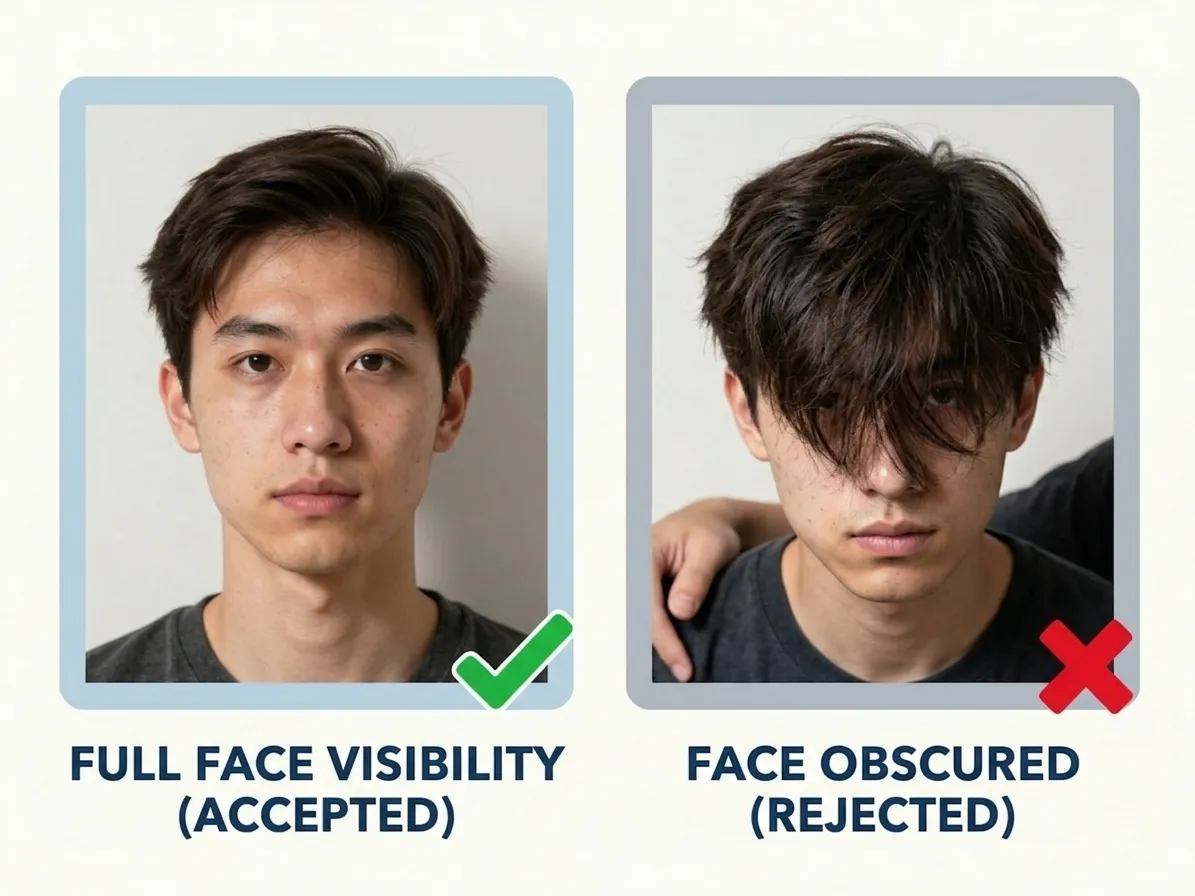
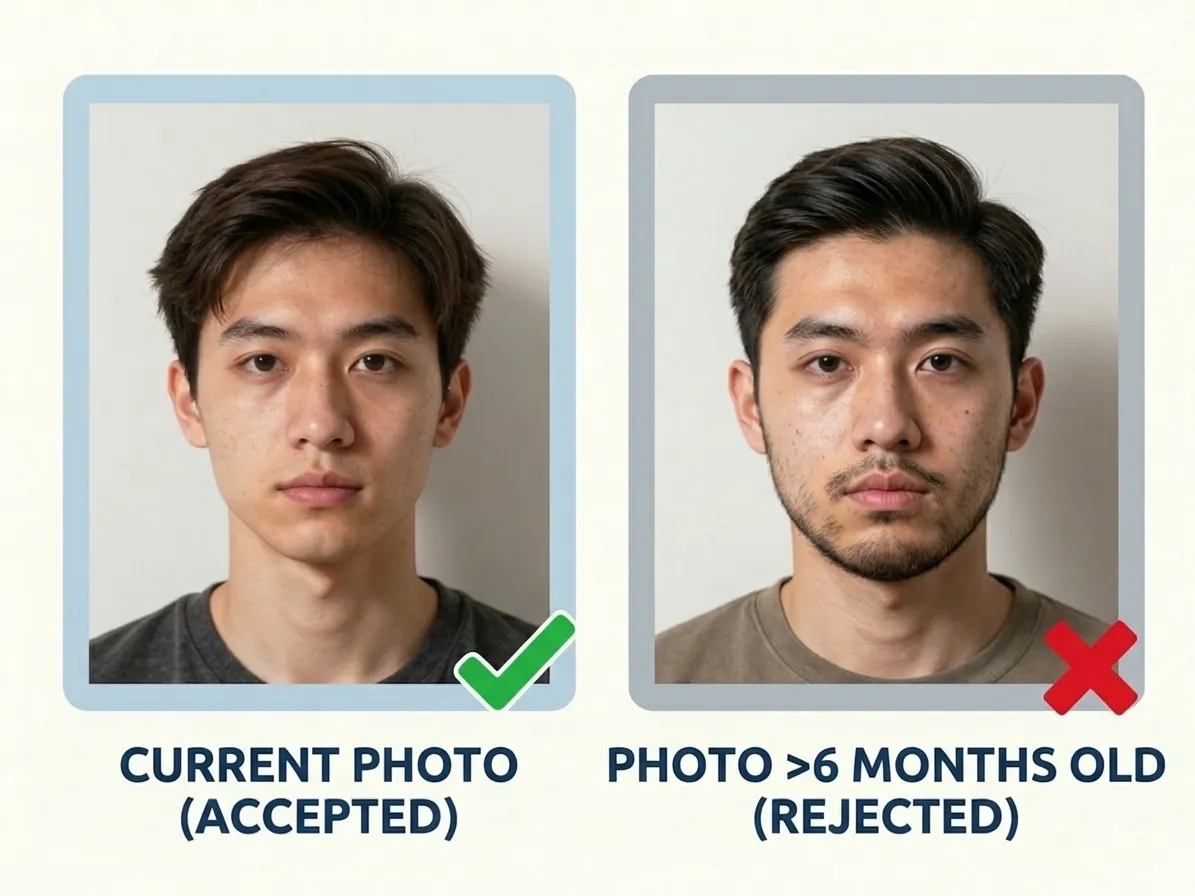
How recent must a Dutch passport photo be?
No photo age limit is written into the Dutch rules, and the absence misleads people into pulling an old booth print from a drawer. What matters is that the image still represents you when the municipality holds it beside your face. Retake the picture if your hair, beard, weight or spectacles have changed since the last one, and do it in the same week you arrange your visit to the town hall.
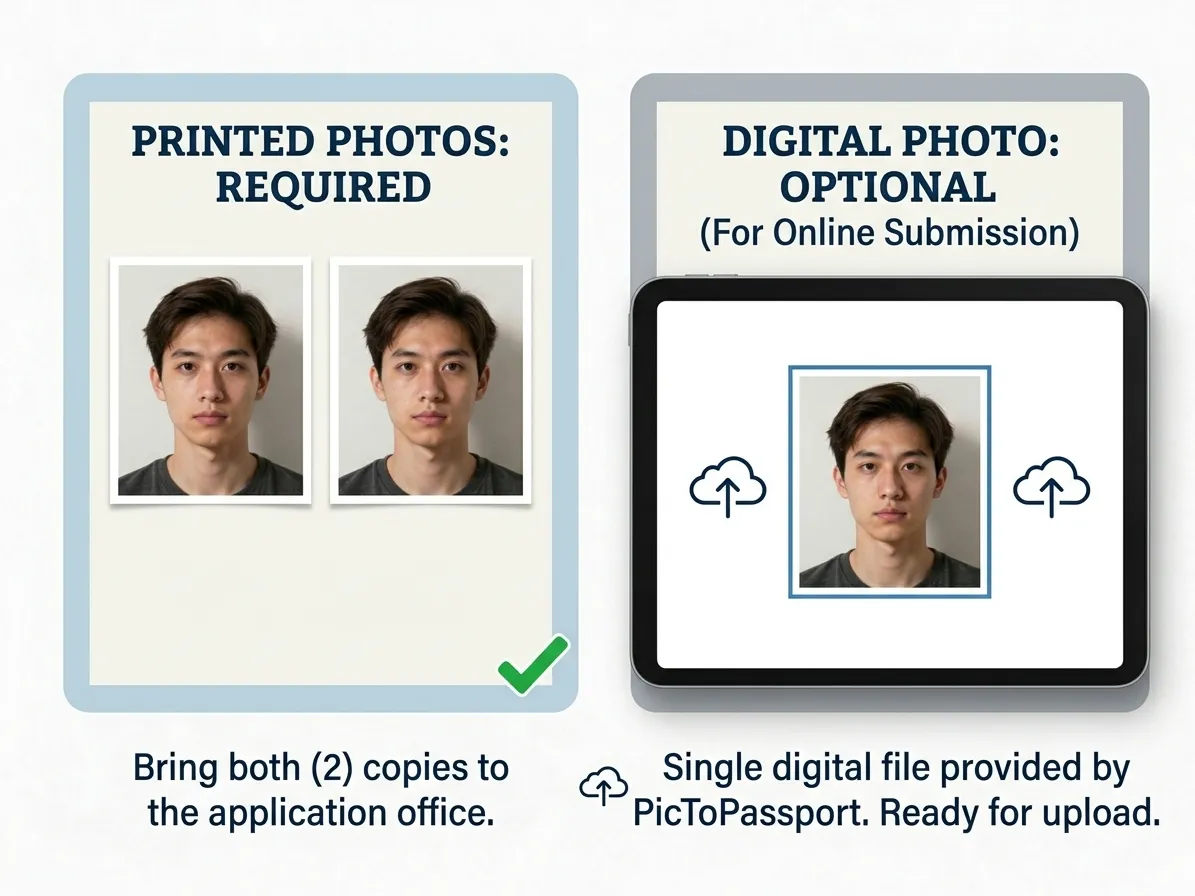
How many copies does a Dutch passport photo need?
You need 2 photos for a Netherlands passport application. With PicToPassport, you receive a digital file cropped exactly to 35 × 45 mm, ready for upload, plus a print-friendly sheet with multiple copies on one page. The digital file should be at least 400 dpi to meet the resolution requirement.
Upload portals measure the file in kilobytes, and an oversized image is rejected outright: Compress Image to KB
Dutch photo mistakes that lead to rejection
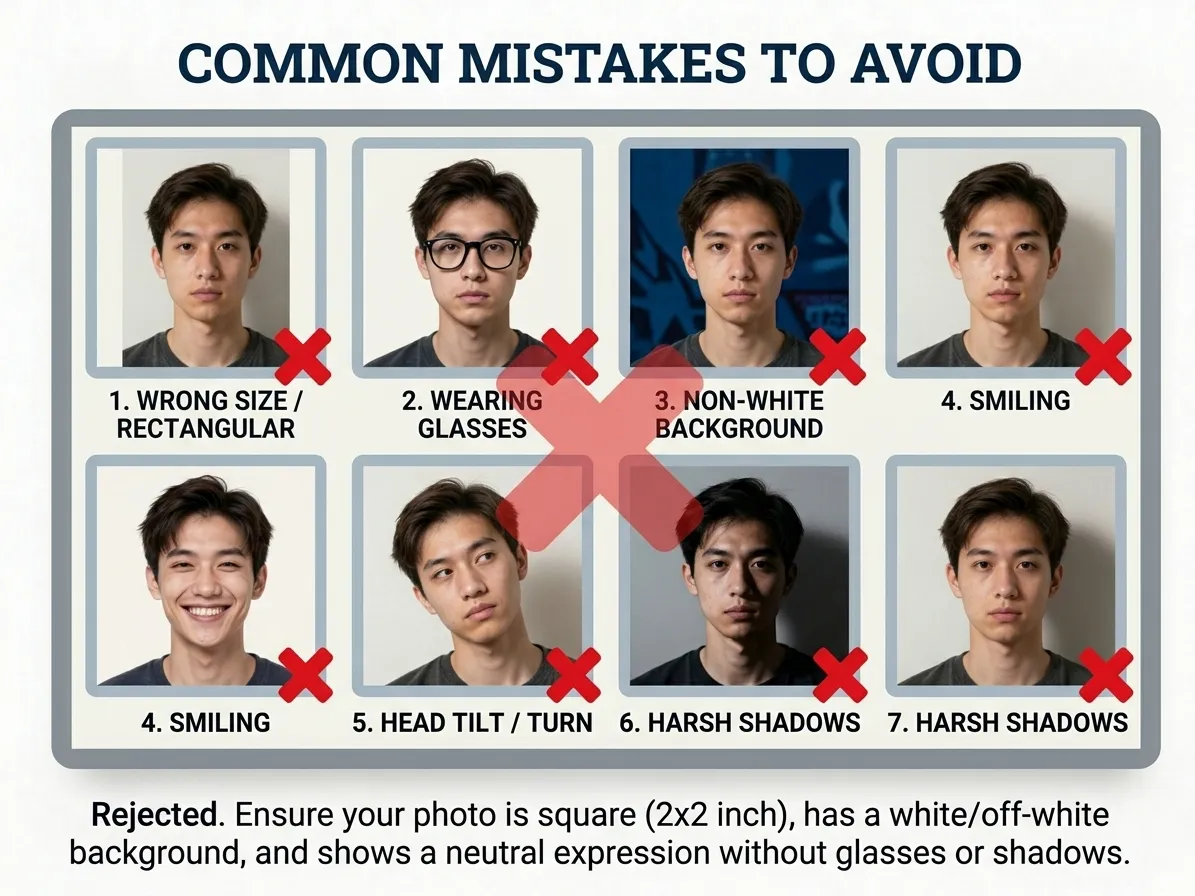
The most frequent reasons for rejection are a head outside the 26–30 mm range, visible support (hand or chair), a non-neutral expression, or using a background colour that is too dark. Glasses with reflections, tinted lenses, or a tilted head also cause problems. Always check the Netherlands passport photo requirements before submitting.
Dutch newborn photo advice for parents
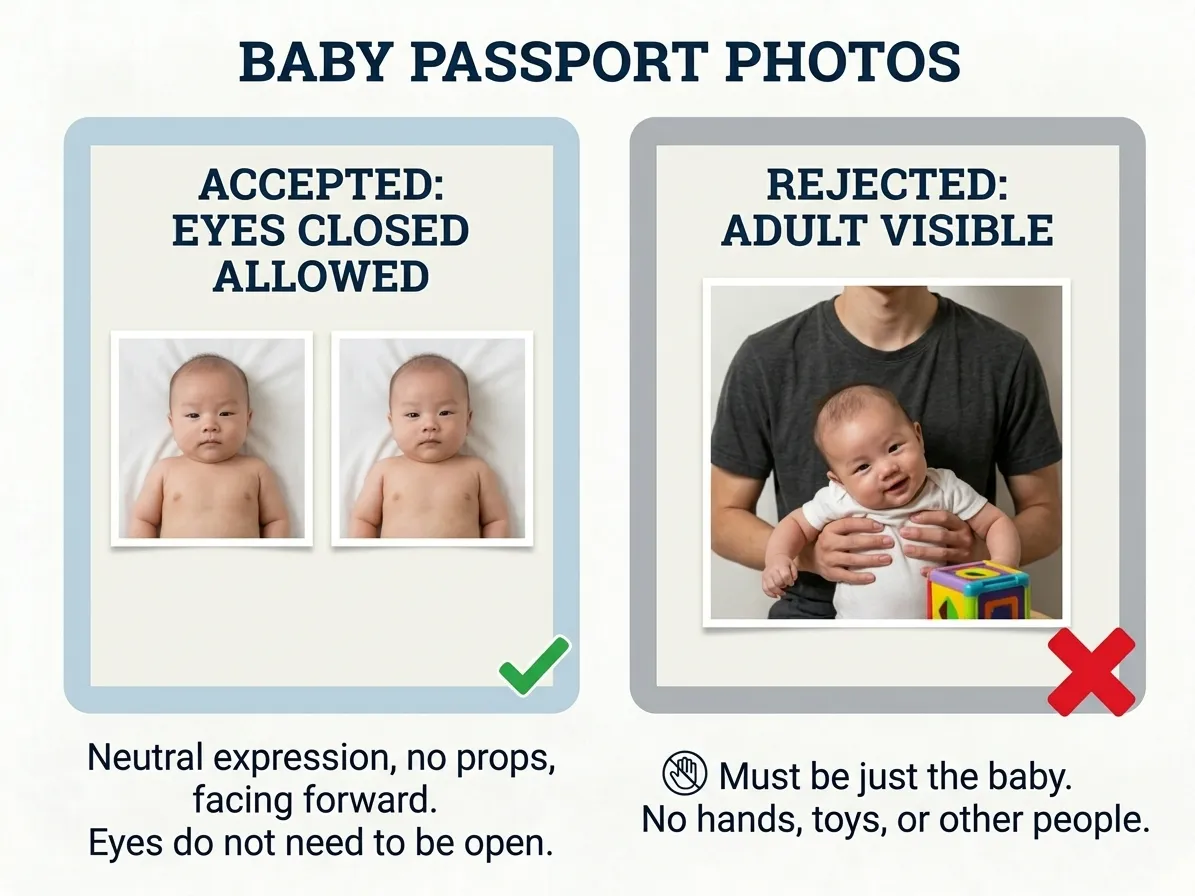
Infant photographs in the Netherlands must show the eyes open, and the smaller head band applies: 19 mm – 30 mm for anyone under 11, against the same 35 mm × 45 mm sheet. Wait until the baby is awake and settled, lay them on a light grey, pale blue or white backdrop, and shoot from above with the head centred and nothing supporting it. Keep the frame to head and shoulders only.
A studio sitting rarely works with a newborn, and an infant-specific tool keeps the crop inside spec: Baby Passport Photo Maker
PicToPassport for quick Dutch photo edits
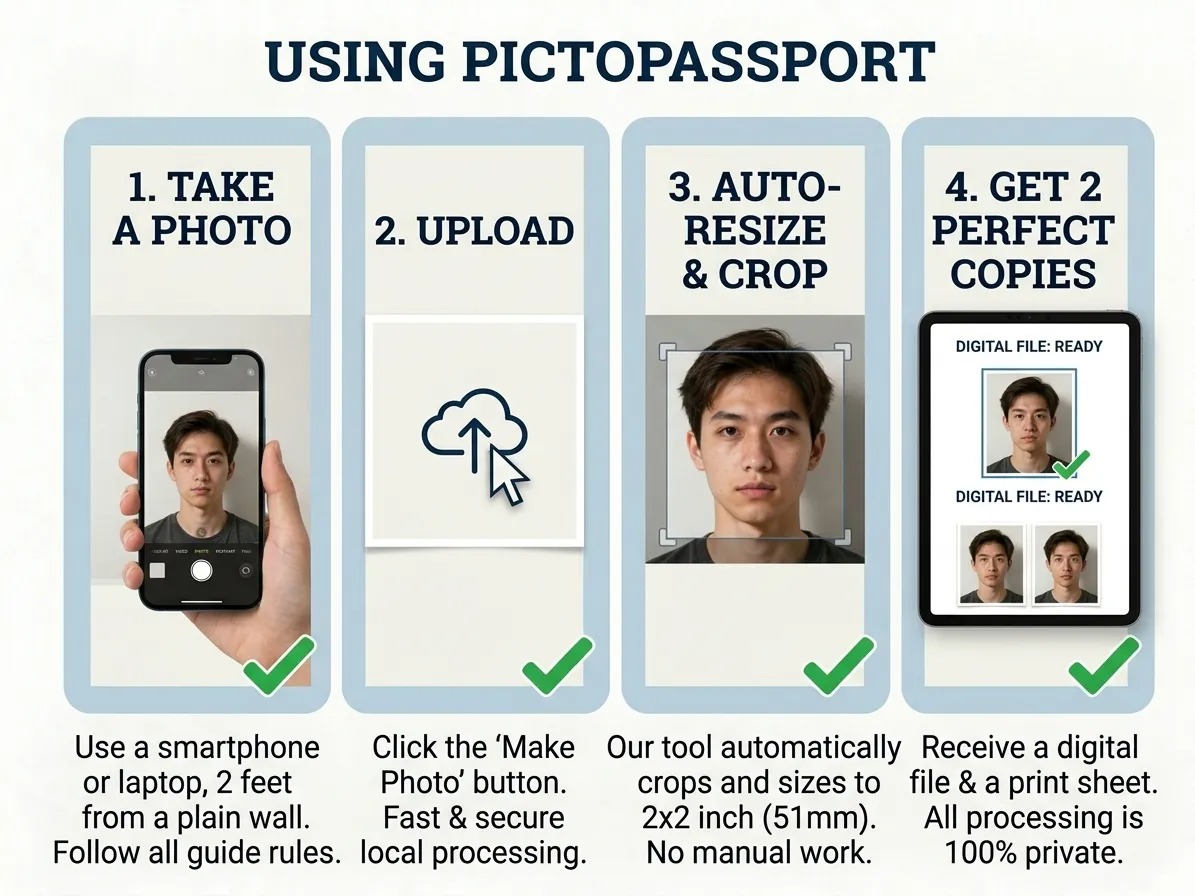
Dutch photos are 35 mm × 45 mm, and PicToPassport produces one free, in your browser, without sending the file anywhere. Choose light grey, pale blue or white for the background; the tool sets head height at 26 mm – 30 mm from age 11 and keeps the width within 16 mm – 20 mm ear to ear. The output is print-ready at 400 dpi — precisely the 2 photos your municipality expects before it checks your likeness in person. Nothing leaves your device.
Create Dutch passport photos without leaving home
Rijksoverheid lists an adult 10-year passport at €88.65 under the 2026 maximum tariff; there is no verified standard time, though urgent service runs within 5 working days for an extra €60.30. Set the photo aside as finished: PicToPassport works free in your browser, applies the light grey, pale blue or white background, keeps your image private on your device, and never uploads it.
